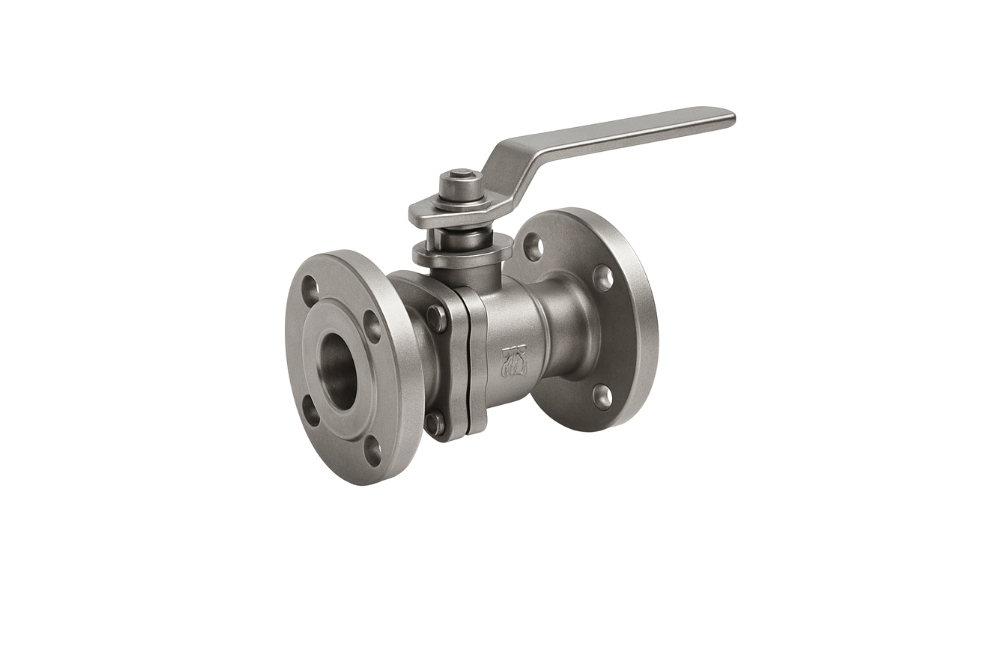
At Inventure, we offer a wide range of stainless steel valves designed to deliver precision, reliability, and durability in demanding environments. Our product line includes ball valves, angle seat valves, check valves, and Y-type strainers, each engineered with advanced technology and high-grade stainless steel construction.
Benefits of Stainless Steel Valves
Corrosion Resistance: Stainless steel ensures superior resistance to rust, chemicals, and harsh environmental conditions, making these valves suitable for both indoor and outdoor applications.
Long Service Life: High-strength construction reduces wear and tear, offering extended operational reliability with minimal maintenance.
Hygienic & Safe: Stainless steel valves are non-reactive, making them ideal for food, beverage, pharmaceutical, and water treatment industries where hygiene is critical.
High-Pressure & Temperature Tolerance: Capable of withstanding demanding process conditions, ensuring safe performance across HVAC, petrochemical, and industrial systems.
Versatility: Available in various designs and configurations (screwed, flanged, 2-way, 3-way, automated options) to suit diverse engineering and piping requirements.
Sustainability: Stainless steel is fully recyclable, supporting eco-friendly practices and long-term value.
Product Range
Stainless Steel Ball Valves
Stainless Steel ball valves designed for reliable shut-off and control in demanding conditions.
Configurations: Available in 2-piece and 3-piece body constructions, suitable for both screwed (threaded) and flanged connections.
3-Way Ball Valve: Offers excellent flexibility for flow diversion, mixing, or distribution, making it ideal for process industries.
Performance: Provides bubble-tight sealing, low torque operation, and long service life, even under frequent cycling.
Applications: Perfect for HVAC systems, chemical handling, water treatment, and food & beverage industries.
Stainless Steel Angle Seat Valves
Designed for precision and speed, angle seat valves are an excellent choice where high flow rates and rapid actuation are required.
Durability: Stainless steel construction ensures corrosion resistance and long operational life.
Automation Ready: Compatible with pneumatic and electric actuators for automated process control.
Versatility: Commonly used in steam, hot water, compressed air, and industrial gas applications.
Benefits: High flow capacity, tight shut-off, and reliable operation in both continuous and intermittent use.
Check Valves
Check valves are critical for preventing backflow and maintaining system safety across diverse piping systems. Hels offers:
Swing Check Valves: Classic design with a swinging disc, ideal for systems with low-to-moderate flow velocities.
Wafer Check Valves (AISI 304): Compact, lightweight design with excellent sealing, perfect for space-constrained installations.
Performance: Ensures consistent one-way flow and protects pumps, compressors, and sensitive equipment from backflow damage.
Y-Type Strainers (Stainless Steel)
Essential for protecting pipelines and equipment, Y-strainers remove solid particles from liquid, steam, or gas flow.
Construction: Made from durable stainless steel for corrosion resistance.
Function: Captures debris, rust, or foreign particles to prevent clogging of downstream equipment.
Maintenance: Features an easy-to-clean mesh element and blow-off option for quick servicing.
Applications: Extensively used in chemical processing, HVAC systems, water treatment, and steam lines.
Why Choose Hels Stainless Steel Valves?
Robust Construction: Stainless steel guarantees strength, durability, and resistance to corrosion, even in aggressive environments.
Wide Range: From basic shut-off to advanced automated flow control, Hels provides comprehensive valve solutions.
Versatility: Available in multiple configurations (flanged, screwed, welded, or 3-way) to suit different system designs.
Trusted Quality: Manufactured in Turkey, backed by 20+ years of expertise, advanced production technologies, and strict quality standards.
Industry Approved: Designed and tested to comply with international performance and safety standards.
Uses & Applications
Inventure’s stainless steel valves are trusted across multiple sectors where fluid control and safety are crucial:
Industrial Pipelines: For controlling the flow of water, oils, steam, and chemicals.
HVAC Systems: Reliable shut-off and regulation in chilled water, heating, and cooling networks.
Water Treatment & Distribution: Ensures safe and efficient operation in treatment plants and supply systems.
Food & Beverage Industry: Meets strict hygienic standards for clean processing and storage.
Pharmaceutical & Chemical Plants: Resistant to aggressive fluids, ensuring safe operation in sensitive applications.
Energy & Petrochemical Facilities: Withstands high pressures, temperatures, and corrosive environments.
An Industrial Process Chiller is made up of several essential components that work together to regulate temperature and ensure smooth operation. Each part plays a crucial role in the refrigeration cycle: