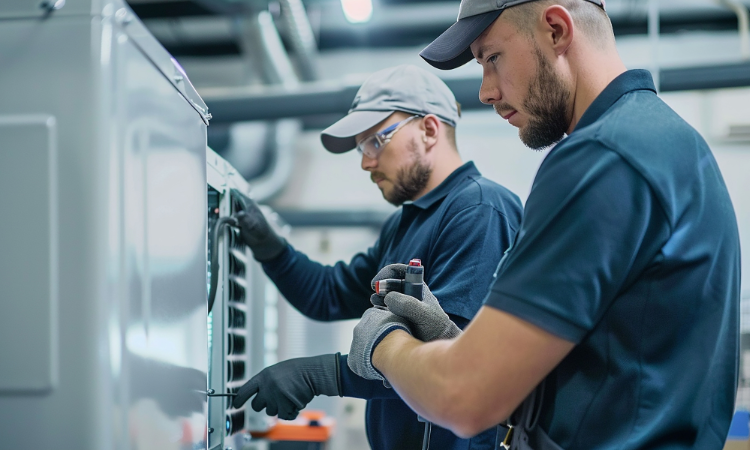
Replacing an old or malfunctioning chiller is a crucial step in maintaining optimal cooling performance and energy efficiency in any commercial or industrial facility. Chillers are the backbone of HVAC systems, responsible for removing heat and maintaining desired temperatures for processes, comfort, and equipment protection. Over time, wear and tear, outdated technology, and frequent breakdowns can reduce a chiller’s effectiveness, resulting in higher energy costs and potential downtime.
When considering chiller replacement, it is essential to evaluate your current system’s capacity, efficiency, and maintenance history. Modern chillers come equipped with advanced technology that not only improves energy consumption but also reduces environmental impact. Investing in a new, energy-efficient chiller can lead to significant long-term savings, lower carbon footprint, and improved reliability, ensuring your operations continue without interruptions.
The replacement process involves careful planning, including selecting the right chiller size and type to match your cooling needs. Consulting with HVAC professionals helps to determine the ideal equipment specifications, integration with existing systems, and compliance with industry regulations. Proper installation and commissioning are vital to maximize the performance and lifespan of your new chiller.
Regular maintenance following replacement further enhances system efficiency and prevents unexpected breakdowns. Upgrading your chiller system is not just about swapping old for new—it’s about improving your facility’s overall sustainability, reducing operational costs, and ensuring a comfortable environment for occupants and processes alike. Whether for industrial plants, commercial buildings, or data centers, timely chiller replacement is an investment that pays off in reliability and efficiency.
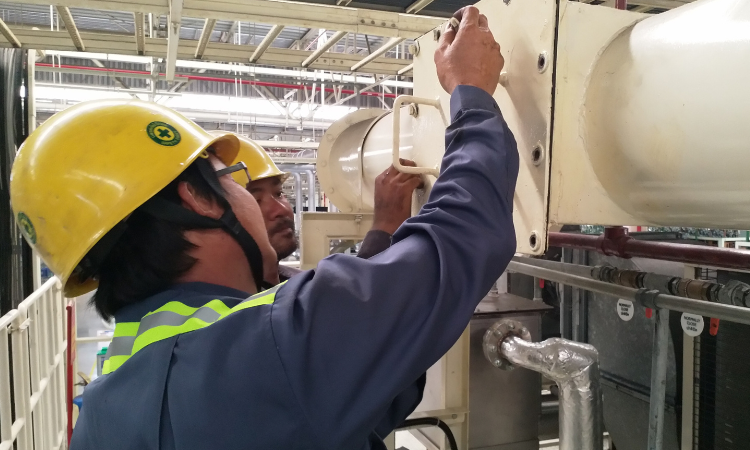
Air Handling Units (AHUs) play a vital role in HVAC systems by regulating and circulating air throughout commercial and industrial buildings. Over time, AHUs may become outdated, inefficient, or prone to frequent breakdowns, impacting indoor air quality and increasing energy consumption. AHU replacement or retrofit is a practical solution to upgrade your ventilation system, improve air quality, and reduce operating costs.
Replacing an old AHU with a modern, energy-efficient model can provide numerous benefits. New AHUs incorporate advanced controls, improved filtration, and optimized airflow designs that enhance comfort and ensure compliance with health and safety standards. Retrofit options allow you to upgrade key components such as motors, fans, and controls without a full unit replacement, offering cost-effective performance improvements while minimizing downtime.
Before proceeding with an AHU replacement or retrofit, a detailed assessment of your existing system is essential. HVAC experts will evaluate your building’s ventilation requirements, energy consumption, and system compatibility to recommend the most suitable solution. Whether you choose a complete replacement or a targeted retrofit, the goal is to enhance system reliability and efficiency while reducing energy waste.
The installation or retrofit process should be carried out by qualified professionals to ensure seamless integration with existing ductwork and controls. Proper commissioning guarantees that the upgraded AHU operates at peak efficiency, providing better air circulation, temperature control, and humidity regulation. This ultimately leads to a healthier indoor environment for occupants and reduced operational costs.
Investing in AHU replacement or retrofit is a strategic step toward sustainable building management. It improves air quality, lowers energy bills, and extends the lifespan of your HVAC system. Whether in offices, hospitals, manufacturing plants, or educational institutions, timely upgrades to your AHU system support comfort, productivity, and environmental responsibility.
Fan Coil Units (FCUs) are essential components of HVAC systems, providing localized heating and cooling by circulating air through a coil and fan assembly. Over time, FCUs can become less efficient due to aging parts, wear and tear, or outdated technology, which may lead to inconsistent temperature control and increased energy costs. Replacing or retrofitting your FCUs is a smart way to enhance system performance and ensure occupant comfort.
An FCU replacement involves installing a new unit with modern features such as variable speed fans, improved coil design, and advanced controls for better energy management. On the other hand, retrofitting allows you to upgrade specific components like fans, motors, or controls within the existing unit, extending its lifespan and boosting efficiency without the need for a full replacement. Both options can significantly reduce energy consumption and maintenance costs.
Before deciding on replacement or retrofit, a thorough assessment of your current FCU system is necessary. HVAC professionals will analyze factors such as cooling/heating load, existing ductwork compatibility, and energy usage to recommend the best approach. Proper installation and commissioning ensure that the upgraded FCUs deliver optimal airflow, precise temperature control, and quieter operation.
Upgrading your FCUs through replacement or retrofit not only improves indoor comfort but also contributes to sustainable building management by lowering carbon footprints. Whether in hotels, offices, hospitals, or residential buildings, timely attention to FCU maintenance and upgrades ensures a reliable, efficient, and cost-effective HVAC system.
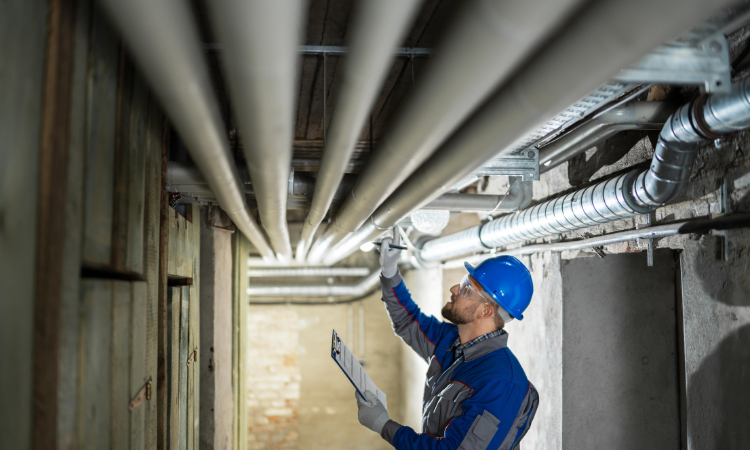
Ductwork and air distribution systems are critical components of any HVAC installation, responsible for delivering conditioned air efficiently and evenly throughout a building. Over time, changes in building layout, occupancy, or HVAC system upgrades may necessitate ductwork and air distribution modifications. These modifications ensure optimal airflow, improved indoor air quality, and enhanced comfort for occupants.
Modification work can include resizing ducts, rerouting air pathways, sealing leaks, or installing new diffusers and grilles to meet updated requirements. Properly designed and maintained duct systems reduce energy loss and help balance airflow, preventing hot or cold spots within different zones of the building. This leads to more consistent temperatures and better overall system efficiency.
Before beginning any ductwork modifications, a comprehensive assessment is essential to identify airflow issues, pressure imbalances, and leakage points. HVAC specialists use tools such as duct blasters and airflow meters to diagnose problems accurately. Based on these findings, they develop a tailored plan to optimize duct layout, improve sealing, and upgrade components to meet the building’s current and future needs.
Investing in ductwork and air distribution modifications supports sustainable building management by improving HVAC efficiency and reducing energy consumption. Whether for commercial offices, industrial facilities, or residential complexes, timely ductwork upgrades enhance occupant comfort, extend equipment lifespan, and contribute to lower utility bills.
Piping systems are vital for transporting chilled water, hot water, refrigerants, and other fluids within HVAC and industrial setups. Over time, changes in system requirements, equipment upgrades, or building renovations may call for piping modification work to maintain optimal system performance and reliability. Proper piping modifications help prevent leaks, reduce pressure drops, and ensure smooth fluid circulation.
Modification work can involve resizing pipes, rerouting sections, replacing corroded or damaged pipes, and upgrading insulation to improve energy efficiency. These changes are essential to adapt the piping network to new system configurations or increased capacity demands. Accurate planning and execution are critical to minimize downtime and avoid disruptions to building operations.
Before starting piping modifications, a thorough assessment of the existing piping layout and condition is necessary. Skilled engineers and technicians evaluate flow rates, pressure levels, and potential problem areas to design modifications that enhance system efficiency and comply with safety standards. Using high-quality materials and precise installation techniques ensures the longevity of the piping system.
Investing in piping modification work not only improves HVAC system functionality but also contributes to energy savings and operational cost reduction. Whether for commercial buildings, manufacturing plants, or large-scale facilities, timely piping upgrades are essential for maintaining a reliable, efficient, and safe fluid transport system.
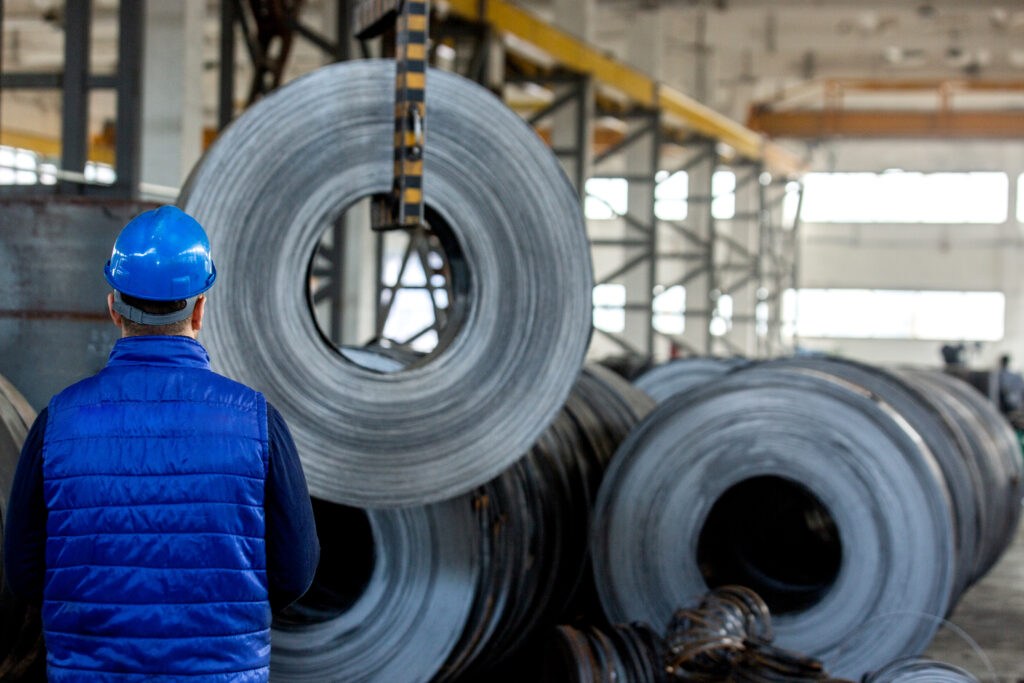
Ductile Iron (DI) and Galvanized Iron (GI) pipes and fittings are widely used in plumbing, HVAC, water supply, and industrial piping systems due to their strength, durability, and corrosion resistance. Fabrication of DI/GI pipes and fittings involves cutting, welding, threading, and assembling components to meet specific project requirements, ensuring reliable and long-lasting piping infrastructure.
The fabrication process requires skilled workmanship and advanced machinery to shape pipes and fittings accurately according to design specifications. This includes custom bends, flanges, reducers, tees, and other specialized fittings to accommodate complex piping layouts. Proper fabrication enhances system integrity, reduces leak risks, and simplifies installation on site.
Quality control is a critical aspect of DI/GI pipe and fittings fabrication. Each component undergoes strict inspection to verify dimensions, weld strength, and coating quality. Using certified materials and adhering to industry standards such as ASTM and IS ensures the fabricated pipes and fittings perform efficiently under high pressure and varying environmental conditions.
Reliable DI/GI pipe and fittings fabrication supports robust piping systems in municipal water distribution, industrial plants, HVAC installations, and infrastructure projects. By choosing professional fabrication services, you can achieve tailored solutions that guarantee durability, ease of maintenance, and optimal flow performance.
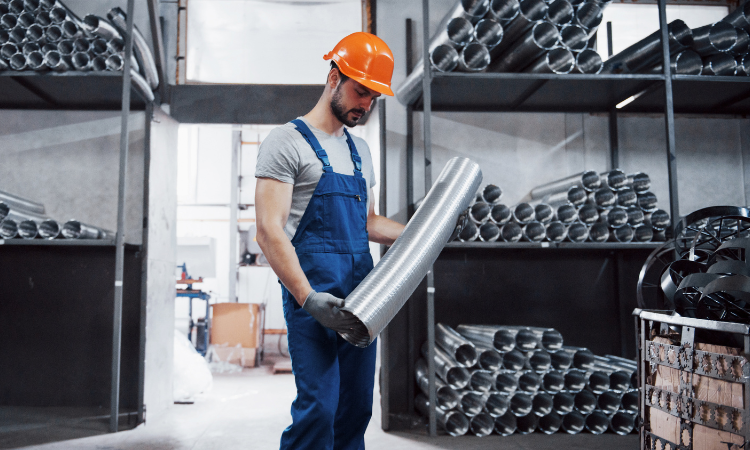
High-Density Polyethylene (HDPE) and Polyvinyl Chloride (PVC) pipes and fittings are popular choices in water supply, irrigation, sewage, and industrial piping systems due to their corrosion resistance, lightweight nature, and flexibility. Fabrication of HDPE/PVC pipes and fittings involves processes such as cutting, welding, bending, and assembling components to create custom piping solutions tailored to specific project needs.
The fabrication process requires precision equipment and skilled technicians to ensure accurate dimensions and secure joints. Techniques like butt fusion welding for HDPE pipes and solvent cement welding for PVC ensure leak-proof connections and durable assemblies. Customized fittings such as elbows, tees, reducers, and flanges are fabricated to accommodate complex piping layouts and ensure smooth flow dynamics.
Quality assurance is paramount in HDPE/PVC pipe and fittings fabrication. Each fabricated component undergoes thorough inspection for dimensional accuracy, weld integrity, and surface finish. Adhering to standards like ASTM, IS, and ISO guarantees the materials’ performance under varying pressure, temperature, and environmental conditions, making them ideal for both underground and above-ground applications.
Investing in professional HDPE/PVC pipe and fittings fabrication ensures reliable, long-lasting piping systems for municipal, agricultural, industrial, and commercial projects. These materials offer excellent chemical resistance, reduced maintenance costs, and ease of installation, making them a preferred choice for modern infrastructure needs.
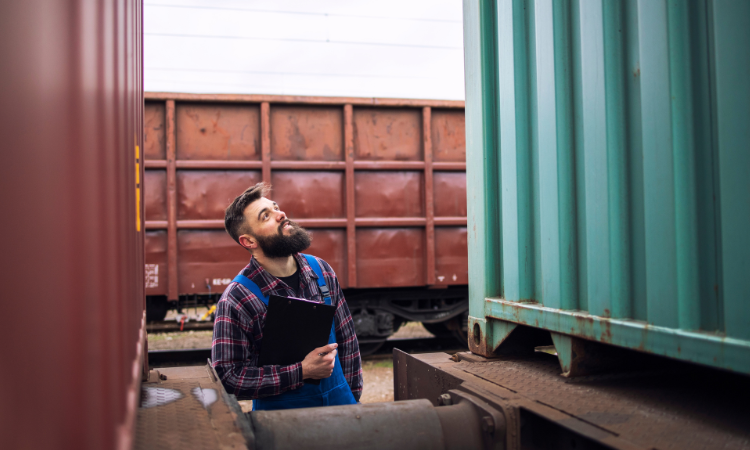
Container refurbishment is an effective way to extend the lifespan of shipping and storage containers by restoring their structural integrity, appearance, and usability. Over time, containers exposed to harsh weather, heavy handling, and long-term use can suffer from rust, dents, corrosion, and wear. Refurbishment involves repairing these damages, applying protective coatings, and upgrading components to make containers safe and functional for reuse.
The refurbishment process typically includes cleaning and sandblasting to remove rust and old paint, welding and patching damaged areas, treating surfaces with anti-corrosion primers, and applying fresh paint coatings. Additional upgrades can involve installing new doors, locks, insulation, flooring, and ventilation systems tailored to the intended use—whether for storage, office spaces, or modular construction.
Quality refurbishment not only restores the container’s external condition but also improves its overall durability and performance. Skilled technicians ensure that all repairs meet industry standards and safety requirements, enabling containers to withstand future operational stresses. Refurbished containers can be customized to meet client-specific needs, providing a cost-effective alternative to purchasing new units.
Choosing container refurbishment supports sustainable practices by reducing waste and minimizing the demand for new raw materials. It also offers businesses a flexible and economical solution for storage, transportation, and creative repurposing projects such as pop-up shops, mobile offices, and emergency shelters. With timely refurbishment, containers remain a reliable asset for years to come.
We provide complete MEP installation, maintenance, and plumbing services for residential, commercial, and industrial projects.
Yes, we offer annual maintenance contracts (AMC) for all MEP systems with regular checkups and emergency support.
Our plumbing services include installation, repairs, drainage systems, leak detection, and water tank setups.
Our team responds quickly to urgent maintenance needs to minimize downtime and ensure system reliability.