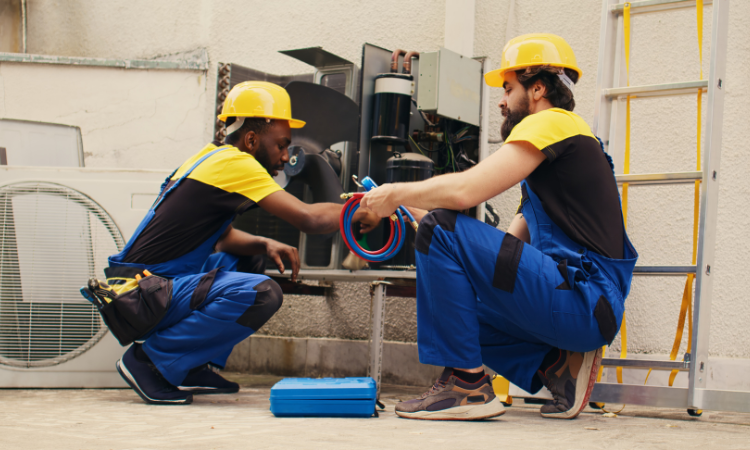
We specialise in Installation & Fitout Works for Chiller Systems, delivering robust and energy-efficient cooling solutions for a wide range of commercial, industrial, and institutional facilities. Our team of skilled engineers and technicians begins with a comprehensive site survey to evaluate building requirements, load calculations, and existing infrastructure. This allows us to recommend the most suitable chiller system—whether air-cooled or water-cooled—tailored to your specific operational needs and energy goals.
Once the planning phase is complete, we proceed with the installation, which includes the secure positioning of chiller units, high-quality chilled water piping, structural supports, vibration isolation, and the integration of controls and automation systems. Our fitout services ensure that mechanical, electrical, and plumbing elements are aligned with your interior design and functional layout. We prioritise low-noise operations, efficient airflow, and ease of maintenance, ensuring a long-lasting and reliable HVAC solution.
In addition to installation, we also offer testing, commissioning, and handover with full performance verification. Our team provides complete documentation, safety certifications, and user training where needed. We strictly adhere to local compliance norms, industry best practices, and environmental standards to ensure that your chiller system operates at peak efficiency. Whether it’s a greenfield project or a retrofit, our turnkey approach makes us a trusted partner for end-to-end chiller installation and fitout services.
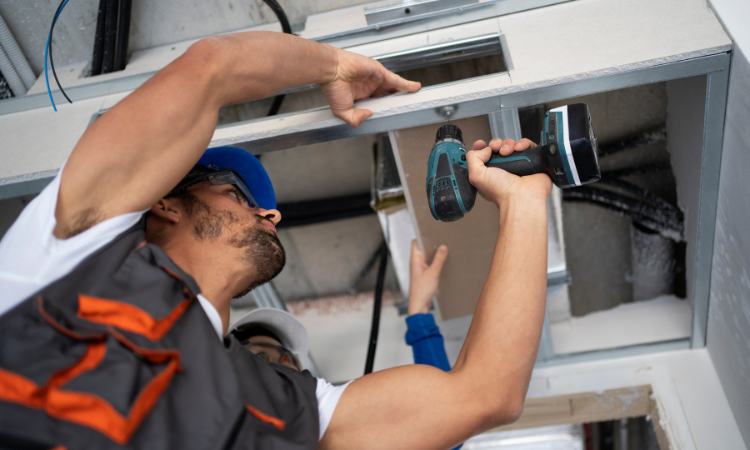
During the AHU installation phase, skilled technicians perform all necessary mechanical and electrical connections with precision. This involves mounting motors, fans, coils, and connecting them to control panels, sensors, and power supplies. Electrical wiring is routed and terminated with safety and performance in mind, ensuring that the AHU communicates efficiently with other components of the HVAC system. Integration with a Building Management System (BMS) is carried out to enable centralised control and monitoring of temperature, humidity, and air quality levels. Technicians also test variable frequency drives (VFDs) to regulate motor speed and optimise energy consumption based on real-time requirements. Every component is aligned correctly to avoid vibrations, noise, or premature wear, ensuring smooth and stable operation over the unit’s life cycle.
Once the mechanical assembly is complete, the focus shifts to ductwork connection and insulation. Supply and return ducts are accurately aligned with the AHU to maintain proper airflow direction and static pressure. All joints are sealed using industry-grade adhesives or gaskets to eliminate the risk of air leaks, which can compromise system efficiency. Thermal insulation is applied to duct surfaces where necessary to prevent energy loss and condensation. Following this, the commissioning process begins, which is critical to validate the performance of the installed unit. This involves a detailed inspection of airflow rates, temperature control accuracy, humidity regulation, and filtration performance under different load conditions. Adjustments are made as needed to ensure that the AHU meets design specifications and delivers consistent, reliable indoor air quality. Comprehensive documentation and client handover complete the process, including guidelines for ongoing maintenance and system care.
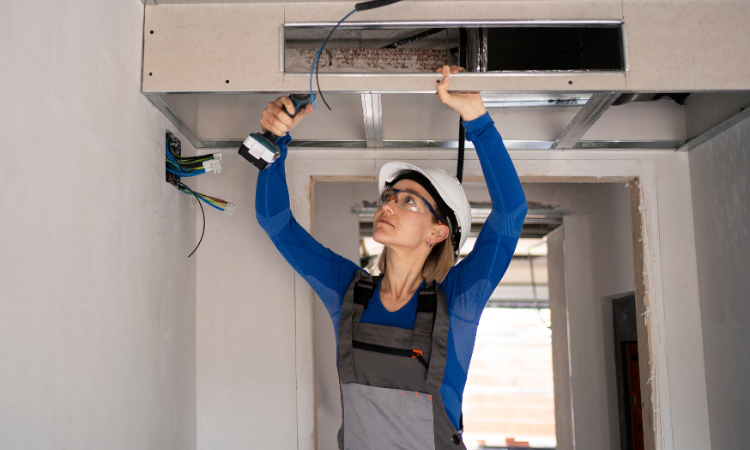
Fan Coil Unit (FCU) installation is a critical component of HVAC systems used in residential, commercial, and industrial settings to regulate temperature and maintain indoor air quality. The installation process involves precise positioning, secure mounting, and efficient connection to chilled water or refrigerant lines, ensuring the system delivers optimal heating or cooling performance.
The process begins with a site inspection to determine the ideal location for FCU placement—typically in ceilings, floors, or walls—based on airflow requirements, room size, and structural feasibility. Proper anchoring and vibration control measures are implemented to minimise operational noise and prolong the unit’s lifespan.
Following this, skilled technicians connect the FCU to the chilled water or refrigerant piping system, ensuring leak-proof joints and proper insulation to prevent condensation and energy loss. Electrical wiring is installed to integrate the unit with thermostats and building management systems (BMS), allowing for efficient control of temperature settings. Drainage systems are also connected and tested to ensure smooth condensate removal.
Once all components are installed, the system is commissioned. This includes testing the airflow, temperature output, and overall functionality to ensure the FCU operates within the desired performance parameters. Any necessary adjustments are made for optimal efficiency and comfort.
FCU installation requires a balance of technical expertise and attention to detail to ensure reliable, long-lasting climate control. With the right installation team, building occupants can enjoy energy-efficient and quiet operation tailored to their environmental needs.
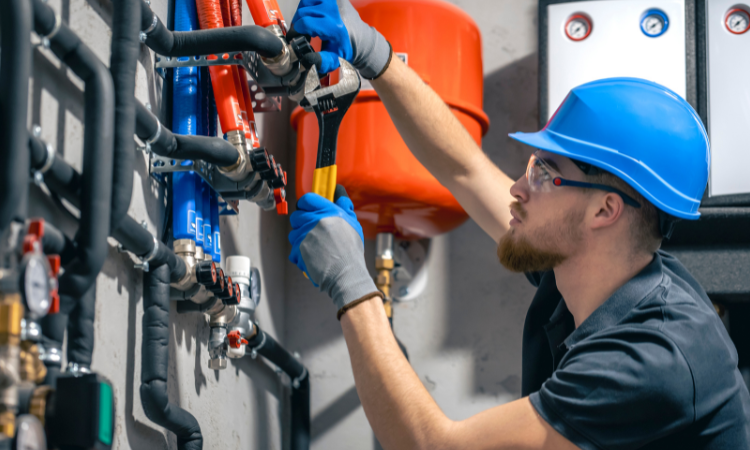
Heat pipe installation plays a vital role in enhancing the efficiency of HVAC systems by facilitating rapid and effective heat transfer between different components. Heat pipes are sealed vacuum tubes containing a working fluid that transfers heat through phase change, providing an energy-efficient solution for heat recovery, ventilation, and temperature regulation in industrial and commercial applications.
The installation process begins with a thorough assessment of the system design to determine the optimal placement of heat pipes within air handling units, heat exchangers, or other relevant equipment. Precise alignment and secure mounting are essential to ensure maximum thermal conductivity and long-term durability.
Technicians carefully install the heat pipes, connecting them to the ventilation ductwork or heat recovery units while ensuring airtight seals to prevent leakage and maintain system integrity. Proper insulation around the pipes is applied to minimise thermal losses and protect against environmental factors such as condensation or corrosion.
After installation, the heat pipe system undergoes rigorous testing and commissioning to verify its performance under various operating conditions. This includes checking heat transfer rates, airflow resistance, and ensuring the working fluid circulates effectively to achieve desired energy savings.
Expert heat pipe installation not only improves HVAC system efficiency but also contributes significantly to reducing energy consumption and operational costs, making it an essential investment for sustainable building management.
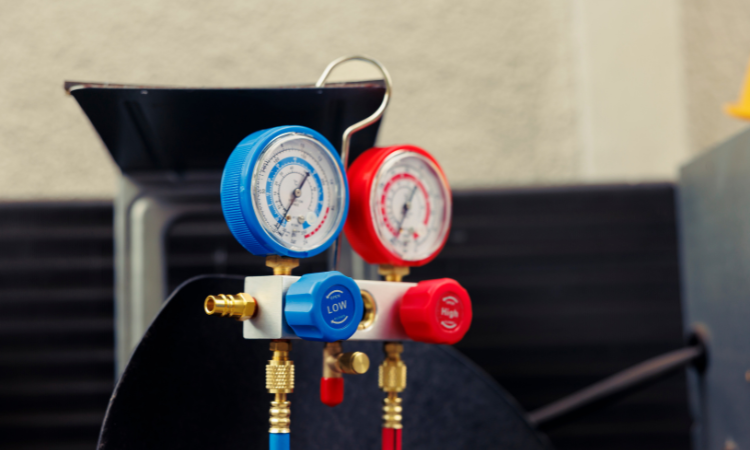
Heat Recovery Wheel Installation is a key process in modern HVAC systems designed to improve energy efficiency by capturing and transferring heat from exhaust air to incoming fresh air. Also known as rotary heat exchangers or enthalpy wheels, these devices help reduce heating and cooling loads, resulting in significant energy savings and improved indoor air quality.
The installation begins with a comprehensive assessment of the HVAC layout to identify the optimal location for the heat recovery wheel, typically within the air handling unit (AHU) or ventilation system. Proper sizing and alignment are crucial to ensure effective heat transfer and airflow balance.
During installation, the wheel assembly is carefully mounted on a shaft, allowing it to rotate smoothly between the exhaust and supply air streams. Sealings and bearings are installed with precision to prevent air leakage and ensure quiet, reliable operation. Integration with the existing ductwork and control systems is done to allow seamless operation within the building’s HVAC controls.
Once installed, the system is thoroughly tested and commissioned to verify the wheel’s rotation speed, heat exchange efficiency, and airtightness. Adjustments are made to optimise performance, ensuring the recovery wheel effectively reduces energy consumption without compromising ventilation rates.
A professionally installed heat recovery wheel contributes to sustainable building practices by lowering energy costs and enhancing occupant comfort through consistent temperature and humidity control.
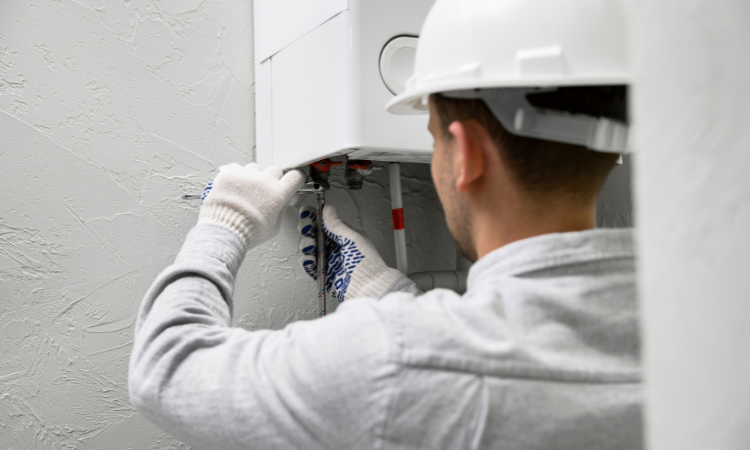
Heat pump installation is a vital process for providing efficient heating and cooling solutions in residential, commercial, and industrial buildings. Heat pumps transfer heat from one place to another using refrigeration cycles, offering an environmentally friendly alternative to conventional HVAC systems by reducing energy consumption and greenhouse gas emissions.
The installation process starts with a thorough site evaluation to determine the best location for both the indoor and outdoor units, considering factors such as airflow, accessibility, and noise levels. Proper placement ensures optimal system performance and longevity.
Skilled technicians then mount the heat pump units securely and connect refrigerant lines, electrical wiring, and drainage systems. Careful attention is given to leak-proof refrigerant connections and electrical safety standards. The system is integrated with thermostats and, where applicable, smart controls to allow precise temperature regulation and energy management.
Following installation, comprehensive system testing and commissioning are carried out to verify correct operation. This includes checking refrigerant pressure, airflow, heating and cooling output, and system controls to ensure the heat pump performs efficiently under various conditions.
Professional heat pump installation ensures reliable, cost-effective climate control while promoting sustainability through reduced energy usage and carbon footprint.
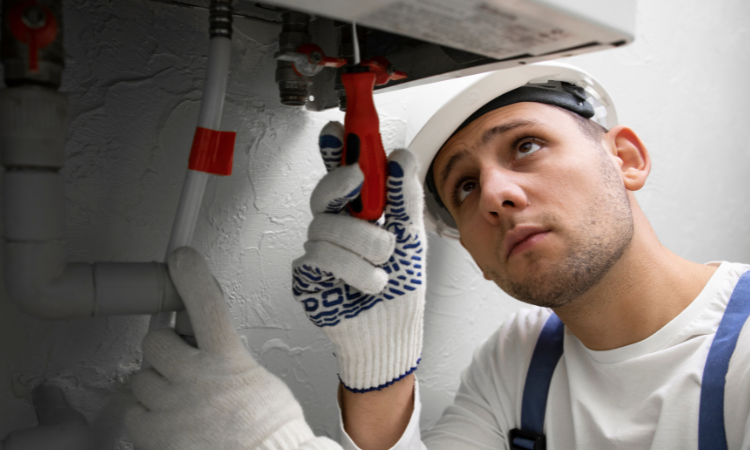
Hi Wall and Ducted Split Unit Installation are essential services for modern HVAC systems, providing efficient and flexible heating and cooling solutions tailored to residential, commercial, and industrial spaces. These split systems combine an outdoor condenser unit with indoor air handling units, either mounted high on a wall (Hi Wall) or concealed within ceilings and ductwork (Ducted Split), delivering targeted climate control with minimal visual impact.
The installation process begins with a comprehensive site assessment to determine optimal placement of the indoor and outdoor units. For Hi Wall units, the indoor unit is securely mounted on an interior wall at a height that ensures effective air distribution without obstructing room aesthetics. In ducted split systems, the indoor unit is installed within ceiling cavities or dedicated plant rooms, connected to a network of ducts that distribute conditioned air evenly throughout multiple rooms or zones.
Technicians then connect refrigerant lines, condensate drains, and electrical wiring, ensuring all connections are leak-proof and compliant with safety standards. For ducted systems, careful sealing and insulation of ductwork are performed to maintain airflow efficiency and prevent energy losses. Integration with thermostats or building management systems enables precise control over temperature and operational scheduling.
Once installation is complete, thorough testing and commissioning are conducted. This includes verifying refrigerant pressure, airflow rates, drainage efficiency, and control responsiveness to ensure optimal system performance and energy efficiency.
Proper installation of Hi Wall and Ducted Split Units guarantees comfortable indoor environments, reduced energy consumption, and quiet operation, making them ideal choices for a variety of HVAC applications.
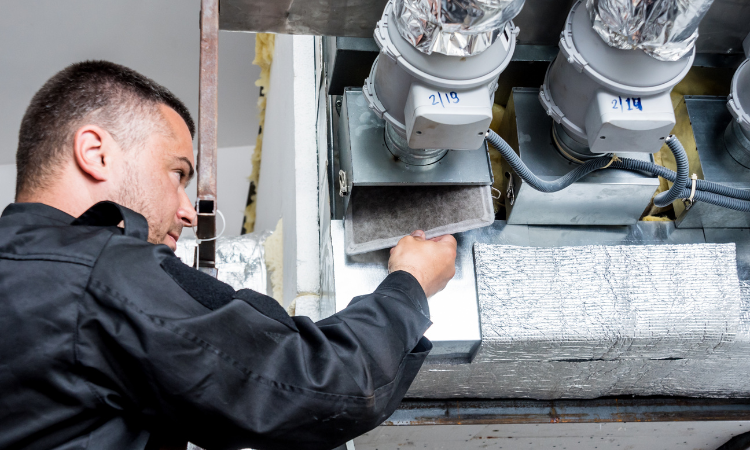
Package Unit and Variable Refrigerant Volume (VRV) system installations are advanced HVAC solutions designed to provide efficient, scalable, and flexible climate control for commercial and large residential buildings. Package units integrate all components—compressor, condenser, evaporator, and blower—into a single compact outdoor unit, offering a space-saving and cost-effective solution. VRV systems, on the other hand, use multiple indoor units connected to a single outdoor unit, allowing precise temperature control across different zones.
The installation process begins with a detailed site survey to plan the placement of outdoor and indoor units, refrigerant piping routes, electrical connections, and ductwork where applicable. For package units, technicians ensure the unit is securely positioned on rooftops or ground-mounted pads with appropriate vibration isolation to minimise noise and structural impact.
VRV installation involves connecting multiple indoor units to the outdoor compressor unit via refrigerant piping and control wiring. Special care is taken to ensure proper refrigerant charge, airtight connections, and insulation to prevent energy loss and condensation issues. Integration with smart controllers and building management systems allows centralised control and monitoring of individual zones for maximum comfort and efficiency.
Post-installation, the entire system undergoes rigorous testing and commissioning. This includes checking refrigerant pressures, airflow, temperature control accuracy, and system communication to ensure optimal performance under various operating conditions.
Professional Package Unit and VRV installation provide energy-efficient, reliable, and scalable HVAC solutions tailored to the unique needs of modern buildings, improving occupant comfort while reducing operational costs.
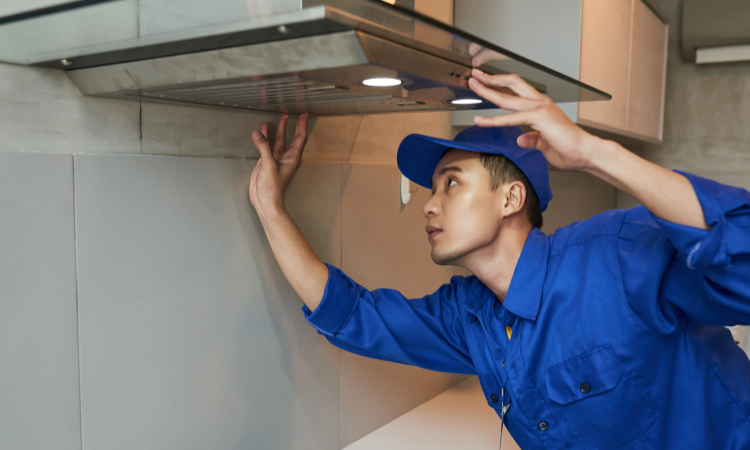
Ventilation fan installation is a crucial service for maintaining fresh air circulation and improving indoor air quality in residential, commercial, and industrial spaces. Proper installation ensures effective removal of stale air, moisture, odors, and contaminants, contributing to a healthier and more comfortable environment.
The installation process begins with assessing the specific ventilation needs of the space, including airflow requirements and the ideal location for fan placement—whether wall-mounted, ceiling-mounted, or inline duct fans. Our skilled technicians then securely mount the ventilation fan, ensuring stability and minimizing operational noise through vibration dampening techniques.
Electrical connections are made in compliance with safety standards, integrating the fan with existing control systems such as timers, sensors, or smart home automation where applicable. Proper ductwork connections and sealing are implemented to optimise airflow efficiency and prevent energy loss.
After installation, thorough testing is conducted to verify that the ventilation fan operates smoothly, delivers adequate airflow, and functions reliably within the system. Regular maintenance recommendations are provided to sustain peak performance and extend the fan’s lifespan.
Professional ventilation fan installation not only enhances air quality but also supports energy efficiency and occupant well-being across diverse settings.
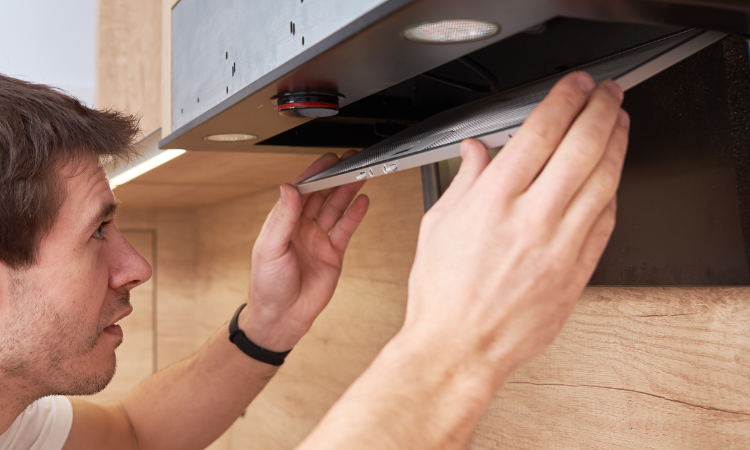
Kitchen Ecology Unit installation is essential for maintaining a clean, hygienic, and odor-free environment in commercial kitchens, restaurants, and food processing areas. These specialized ventilation units effectively remove grease, smoke, heat, and odors generated during cooking, ensuring compliance with health and safety standards.
The installation process begins with a thorough site evaluation to determine the optimal placement of the Kitchen Ecology Unit within the kitchen’s ventilation system. Proper positioning ensures maximum capture of airborne contaminants while maintaining unobstructed kitchen workflow.
Our expert technicians carefully install the unit, connecting it to existing ductwork and exhaust systems with airtight seals to prevent leakage and maintain system efficiency. Electrical wiring and control integrations are performed to allow automatic operation aligned with kitchen activity levels.
Following installation, comprehensive testing and commissioning are conducted to verify airflow rates, filtration effectiveness, and noise levels, ensuring the unit performs optimally under daily kitchen conditions. Regular maintenance guidance is provided to sustain performance and prolong unit life.
Professional Kitchen Ecology Unit installation helps create a safer, healthier kitchen environment, reducing fire hazards and improving overall air quality for staff and patrons alike.
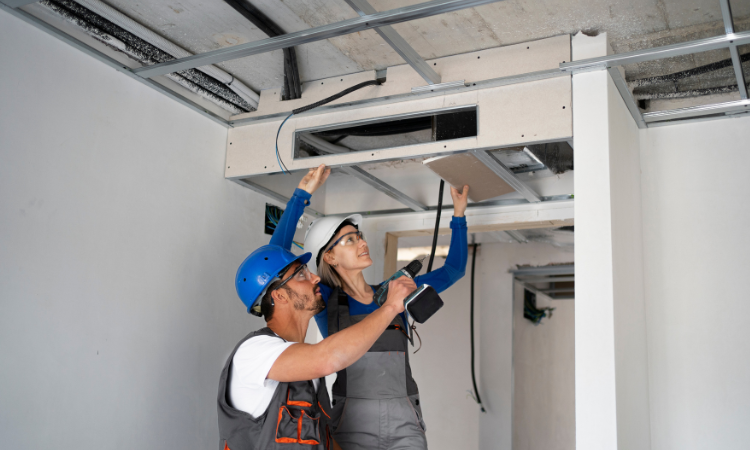
Ductwork and insulation installation are fundamental to the performance and efficiency of HVAC systems in residential, commercial, and industrial buildings. Properly designed and installed duct systems ensure the smooth distribution of conditioned air, while quality insulation prevents energy loss and controls condensation, enhancing overall system effectiveness.
The installation process starts with a thorough evaluation of the building layout to design duct routes that optimise airflow and minimise pressure drops. Skilled technicians then fabricate, assemble, and install duct sections using durable materials tailored to the specific application, including sheet metal, flexible ducts, or insulated duct panels.
Sealing all duct joints and connections is critical to prevent air leakage, which can lead to energy wastage and reduced comfort. Insulation is applied to ducts where necessary, particularly in unconditioned spaces, to maintain the temperature of the air being transported and avoid condensation that can cause corrosion or mold growth.
After installation, the duct system undergoes testing for air tightness, airflow balance, and thermal performance to ensure it meets design specifications. Proper ductwork and insulation installation significantly improve HVAC efficiency, reduce energy costs, and contribute to a healthier indoor environment.
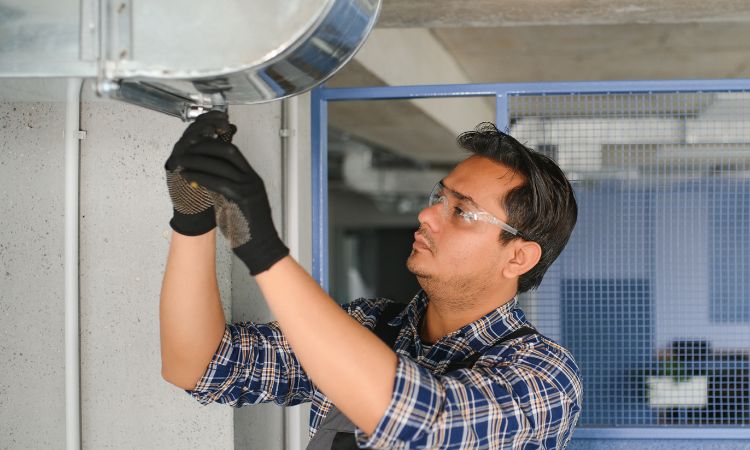
Damper installation is an integral part of HVAC system design and operation, enabling effective control of air distribution and ventilation across various zones within a building. Dampers regulate airflow by opening or closing sections of ductwork, which helps maintain balanced pressure, optimise energy use, and ensure consistent indoor comfort. They are widely used in applications ranging from residential homes to large commercial and industrial facilities.
The installation process starts with a comprehensive evaluation of the HVAC system layout to identify the precise locations where dampers are needed. This includes supply ducts, return ducts, and fresh air intake points. Depending on the system requirements, dampers can be manual—operated by hand for basic airflow control—or motorised, allowing automated adjustment based on sensor inputs or building management system commands.
Our certified technicians carefully install dampers, ensuring they fit securely within duct sections without causing airflow restrictions or leaks. For motorised dampers, the team performs electrical wiring and integrates the dampers with control panels, thermostats, or building automation systems. This integration facilitates real-time monitoring and precise modulation of airflow, contributing to energy efficiency and occupant comfort.
Once installed, dampers are calibrated and tested to verify smooth operation, accurate response to control signals, and airtight sealing when closed. Proper damper installation helps prevent issues such as uneven heating or cooling, excessive energy consumption, and poor air quality. Additionally, well-maintained dampers reduce wear on HVAC components by balancing airflow and pressure, prolonging system lifespan.
By installing dampers professionally, building owners and facility managers can enjoy enhanced control over indoor environments, improved air quality, and significant energy savings, supporting sustainability goals and occupant well-being.
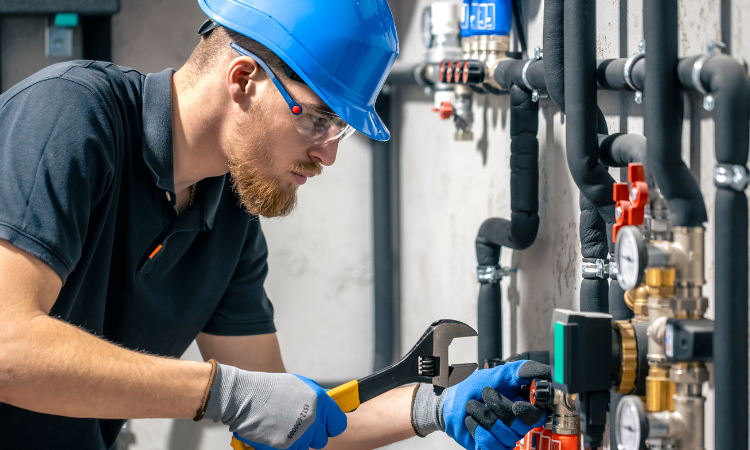
Piping, valve, and insulation installation form the backbone of efficient HVAC and plumbing systems in residential, commercial, and industrial settings. Proper installation ensures reliable fluid flow control, system safety, and optimal thermal performance, contributing to overall operational efficiency and longevity.
The installation process begins with a detailed site assessment and system design to determine the appropriate piping layout, valve types, and insulation requirements based on system specifications and environmental conditions. High-quality materials are selected to withstand pressure, temperature variations, and chemical exposure.
Expert technicians install piping networks, carefully fitting and securing pipes using welding, threading, or mechanical joints to prevent leaks and ensure structural integrity. Valves—such as ball valves, gate valves, check valves, and control valves—are precisely installed to regulate flow, pressure, and direction within the system. Correct valve placement is essential for maintenance accessibility and operational safety.
Thermal insulation is applied to piping and valves where necessary to minimise heat loss or gain, prevent condensation, and protect personnel from hot surfaces. The insulation materials used are chosen based on temperature ranges and exposure conditions to ensure durability and compliance with safety standards.
After installation, comprehensive pressure testing and leak detection are conducted to verify system integrity and performance. Proper piping, valve, and insulation installation is critical for system reliability, energy efficiency, and safety across various industrial and commercial applications.
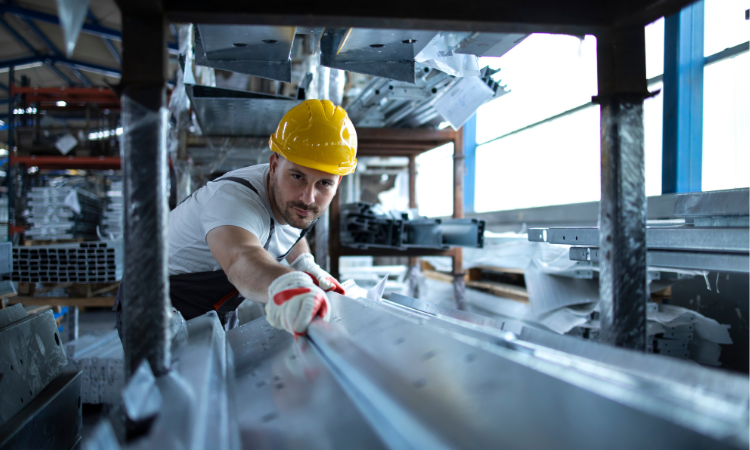
Duct and pipe aluminium cladding works provide essential protection and aesthetic enhancement to HVAC ducting and piping systems in commercial, industrial, and residential buildings. Aluminium cladding acts as a durable, lightweight barrier against weather, mechanical damage, corrosion, and UV exposure, extending the lifespan of ducts and pipes while maintaining a clean, professional appearance.
The cladding process begins with surface preparation to ensure ducts and pipes are clean and free of debris or contaminants. Custom-fabricated aluminium panels are then precisely cut and shaped to fit the dimensions and contours of the ducts or pipes. Skilled technicians install the cladding securely using rivets, screws, or adhesive methods, ensuring a tight, weatherproof seal.
Seams and joints are carefully sealed with specialized tapes or sealants to prevent moisture ingress and maintain insulation effectiveness. The aluminium cladding is designed to withstand temperature fluctuations, moisture, and external impacts, providing long-term durability with minimal maintenance.
By applying aluminium cladding, building owners enhance the protection of critical HVAC infrastructure, improve fire resistance, and achieve a sleek, uniform exterior finish that meets safety and aesthetic standards.
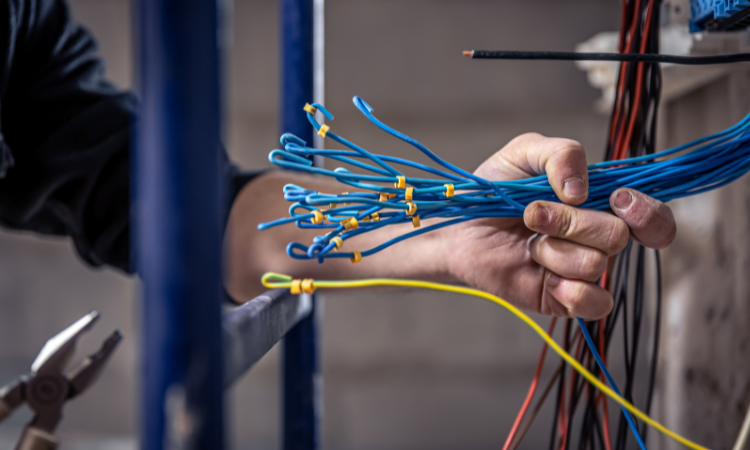
ELV (Extra Low Voltage) cable termination is a specialized electrical service critical for ensuring reliable connections in low voltage systems such as security, telecommunications, fire alarms, and building automation. Proper termination guarantees signal integrity, safety, and optimal system performance across various commercial, industrial, and residential applications.
The termination process involves carefully stripping, preparing, and connecting ELV cables to devices, panels, or junction boxes using appropriate connectors, lugs, or terminals. Our trained technicians follow industry standards and manufacturer specifications to prevent cable damage, minimize signal loss, and ensure robust mechanical and electrical connections.
Attention to detail during termination reduces the risk of faults, interference, and downtime, which is vital for systems relying on consistent communication and control signals. Additionally, proper insulation and sealing techniques are applied to protect terminations from environmental factors such as moisture, dust, and vibration.
Professional ELV cable termination services ensure your low voltage infrastructure operates safely and efficiently, supporting the seamless functioning of critical building systems.
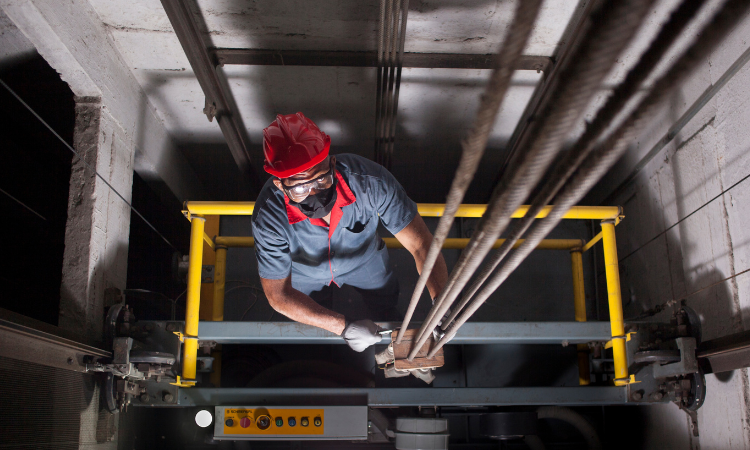
Mechanical, Electrical, and Plumbing (MEP) Fitout Works represent the critical phase in construction projects where essential building services are installed, integrated, and commissioned to create fully operational and compliant infrastructure. These works cover a broad spectrum of activities, from HVAC ducting and pipework to complex electrical wiring and plumbing installations, ensuring that the building functions safely, efficiently, and comfortably.
The process begins with meticulous coordination between architects, engineers, contractors, and specialists to align MEP systems with the architectural design and structural requirements. This collaborative approach guarantees that space utilization is maximized without compromising system performance or future accessibility for maintenance.
Mechanical works typically involve the installation of heating, ventilation, and air conditioning systems, including air handling units, chillers, pumps, and exhaust systems. Electrical works cover the laying of power cables, installation of distribution boards, lighting, emergency systems, and integration with building management systems (BMS) for smart control. Plumbing works include water supply, drainage, fire suppression systems, and gas piping, all installed following stringent safety standards and regulations.
Throughout the fitout phase, rigorous quality control, testing, and commissioning protocols are employed to verify the integrity and efficiency of every system. This includes pressure testing of pipes, insulation resistance testing of electrical circuits, and functional performance testing of HVAC systems.
Professional MEP fitout services are fundamental to delivering buildings that are not only compliant with codes but also sustainable and energy-efficient. With a focus on innovation, safety, and reliability, expert MEP fitout contractors help bring complex construction projects to life, enabling seamless operation from day one.
We provide complete MEP installation, maintenance, and plumbing services for residential, commercial, and industrial projects.
Yes, we offer annual maintenance contracts (AMC) for all MEP systems with regular checkups and emergency support.
Our plumbing services include installation, repairs, drainage systems, leak detection, and water tank setups.
Our team responds quickly to urgent maintenance needs to minimize downtime and ensure system reliability.