Flexible Connectors & Expansion Joints

At Inventure, we offer a wide range of Pipe and Duct Flexible Connectors and Expansion Joints from Easyflex – India, providing durable and reliable solutions for controlling vibration, thermal expansion, noise, and movement in piping and ducting systems. These products are engineered to enhance system safety, efficiency, and longevity across diverse industrial and commercial applications.


Easyflex designs and manufactures expansion joints to offer a broader range of flexible piping solutions to customers across industries. Expansion joints are used in piping systems to absorb thermal expansion or terminal movement where the use of expansion loops is undesirable or impractical. Expansion joints are available in many different shapes and materials. At Easyflex, we design manufacture a wide range of metallic bellows and rubber expansion joints for a broad range of flexible piping solutions for various industries. Our design process allows us to customize expansion joints to the exact requirements and demands of our customers. We do offer stocked pre-engineered expansion joints for standard applications. Any pipe connecting two points is subjected to numerous types of action which result in stresses on the pipe. Some of the causes of these stresses are…

  1. Internal or external pressure at working temperature
  2. Weight of the pipe it self and the parts supported on it
  3. Movement imposed on pipe sections by external restraints
  4. Thermal expansion and contraction
  5. Vibration, Noise, Shock, Corrosion, Abrasion
  6. Stresses, Load Stress, Equipment Movement
  7. Vibration, Pressure Pulsation and Movement in a Piping System

Product Range

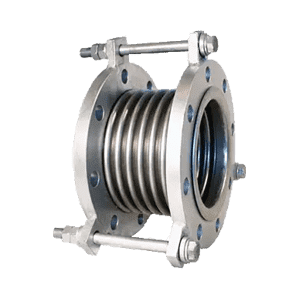
Metallic Expansion Joints

  1. Absorb thermal growth, vibration, pressure thrust, and mechanical forces in pipelines and ducts
  2. Manufactured using stainless steel and nickel alloys
  3. Available in single-ply, multi-ply, and custom-engineered designs
  4. Commonly used in refineries, power plants, and heavy industries.

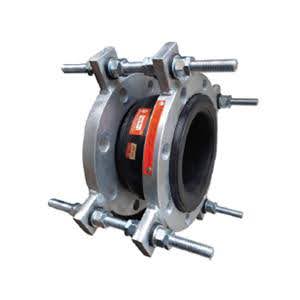
Rubber Expansion Joints

  1. Fabricated from natural/synthetic elastomers with fabric and metallic reinforcements
  2. Compensate for axial, lateral, torsional, and angular movements
  3. Reduce noise, absorb vibration, and prevent stress-related damage
  4. Ideal for HVAC, water, wastewater, and chemical plants

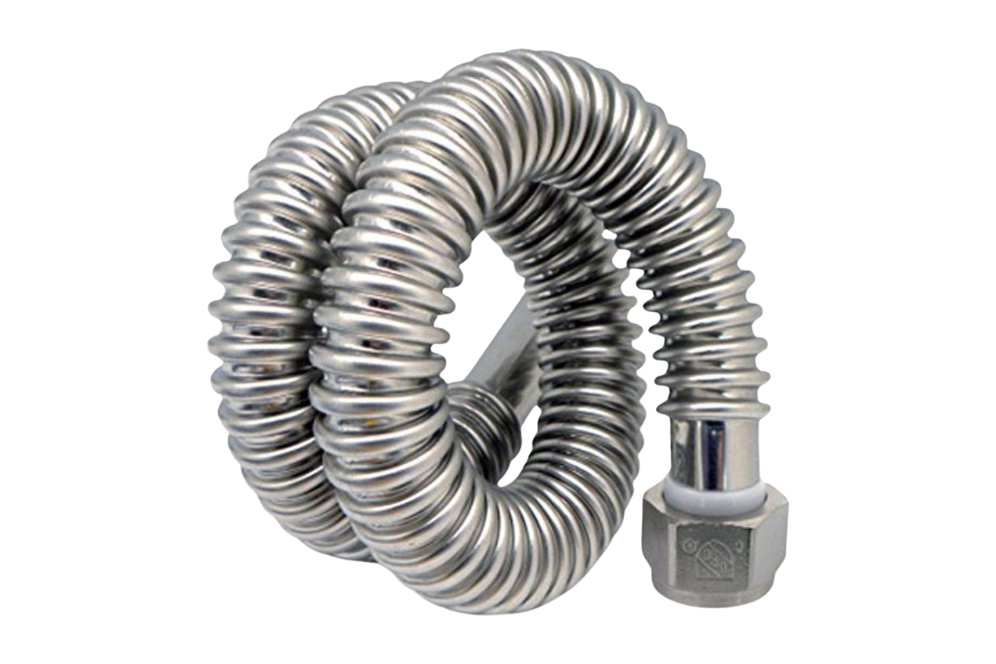
Hose Assemblies

  1. Stainless steel and EPDM rubber hose assemblies for hot or cold water and pump connections
  2. Supplied with optional Class ‘O’ insulation
  3. Available with flanged, screwed, welded, grooved, or Mapress fittings

Duct Flexible Connectors

  1. Designed to isolate vibration and noise between air-handling equipment and ductwork
  2. Prevent transmission of mechanical vibrations from fans, AHUs, and HVAC systems into the duct system
  3. Available in canvas, neoprene, and other high-quality fabric materials with galvanized/steel flanges
  4. Essential for HVAC, ventilation, and air-handling applications

Applications Across Industries

Our expansion joints and flexible connectors are widely used in:

  1. Petrochemical Plants – reactor, distillation, and heat exchanger piping
  2. Power Generation – boiler, gas turbine, and steam turbine connections
  3. Oil & Gas – pipelines, flare systems, and cross-facility connections
  4. Chemical Processing – pumps, reactors, and corrosive chemical systems
  5. HVAC & Air Handling – ducting, chillers, pumps, AHUs, and fan connections
  6. Water & Wastewater – pipelines, pumps, valves, and filters
  7. Mining & Minerals – slurry handling under abrasive conditions
  8. Marine & Shipbuilding – exhaust and ballast piping in dynamic environments

The Inventure Advantage

  1. Reliable solutions from Easyflex – India
  2. Standard and customized designs to meet unique project needs
  3. Improved system performance, reduced downtime, and extended equipment life

Main Components of a Process Chiller

An Industrial Process Chiller is made up of several essential components that work together to regulate temperature and ensure smooth operation. Each part plays a crucial role in the refrigeration cycle:
  1. Compressor:
    This is the heart of the chiller. It compresses the refrigerant gas, increasing its pressure and temperature so it can move through the system efficiently. Types of compressors include scroll, screw, reciprocating, and centrifugal, depending on the chiller’s capacity and design.
  2. Evaporator:
    The evaporator is where the process fluid (such as water or glycol) passes through and loses its heat to the refrigerant. This is where heat absorption occurs, and the refrigerant turns into a gas.
  3. Condenser:
    After compression, the hot refrigerant gas flows into the condenser. In this component, the heat is removed either by air (air-cooled) or water (water-cooled), and the refrigerant changes back into a liquid.
  4. Expansion Valve:
    The expansion valve regulates the flow of refrigerant into the evaporator. It reduces the pressure and temperature of the liquid refrigerant before it re-enters the evaporator to absorb more heat.
  5. Process Pump & Reservoir:
    A circulation pump pushes the cooled fluid to the process and brings the warmed fluid back to the chiller. The reservoir holds the process fluid and acts as a buffer to handle thermal loads.
  6. Control System:
    Modern chillers come with advanced control panels and sensors that monitor and regulate temperatures, flow rates, pressures, and operating parameters for safety, efficiency, and precision.
    Together, these components form a reliable and energy-efficient system that keeps industrial operations stable, regardless of heat-generating activities within the facility.

Types Of Air Handling Unit AHU

Metallic Expansion Joints are installed in pipe work and duct systems to prevent damage Metallic Expansion Joints are critical components in piping and duct systems, designed to absorb and compensate for thermal expansion, vibration, pressure thrust, and other mechanical stresses that can otherwise damage pipelines or connected equipment. By accommodating these movements, metallic expansion joints help maintain system integrity, reduce maintenance costs, and enhance operational reliability.

Design and Construction

  1. Bellows Structure: The core element of metallic expansion joints is the bellows, which may be single-ply, multi-ply, or convoluted, depending on the system requirements.
  2. Flexible Movement: Designed to handle axial, lateral, and angular movements, allowing piping and ductwork to expand or contract without imposing stress on connected equipment.
  3. High-Performance Materials: Manufactured from stainless steels (304, 316, 321, etc.) and high-grade nickel alloy steels, ensuring corrosion resistance, high-temperature tolerance, and long-term durability.
  4. End Connections: Available with flanged, welded, or spigot ends, providing compatibility with standard piping and ducting systems.

Applications

Metallic expansion joints are widely used in industries that demand high reliability and performance, such as:

  1. Petrochemical Plants: Reactor, distillation column, and refinery piping
  2. Power Generation: Steam and gas turbines, boiler connections, and exhaust systems
  3. Chemical Processing: Pipelines handling corrosive chemicals and high-temperature fluids
  4. HVAC Systems: Duct systems requiring vibration absorption and thermal compensation
  5. Marine & Shipbuilding: Exhaust and ballast piping exposed to dynamic movements

Benefits of Metallic Expansion Joints

  1. Protects pipelines and equipment from mechanical stress and thermal expansion
  2. Reduces downtime by preventing damage due to vibration or pressure thrust
  3. Customizable designs to meet unique industrial requirements
  4. High temperature and corrosion resistance, ensuring longevity even in harsh environments
  5. Energy-efficient operation by maintaining optimal system integrity
    Metallic expansion joints are an essential solution wherever flexibility, reliability, and safety are critical in piping and ductwork systems.

Bellows are a flexible piping element. The corrugation of the expansion joint is designed to be flexible in order to absorb pipe expansion and contraction due to changes in temperature. The number of corrugation of bellows is decided according to the displacement amount and the expansionary and contracting force that the bellows have to absorb. Bellows have to be strong to the design pressure and operating pressure of piping and installation and they also have to be flexible to absorb thermal movement. The thrust force of the flow in the piping has to be buttressed by things other than bellows.

The value of the thrust force of bellows is usually calculated by multiplying the value of the effective cross section area by the value of the flow pressure of pipe.

Easyflex Bellows are fabricated from cylindrical tubes made of high ductility material. The cylindrical body is formed onto parallel corrugations which accommodates all basic movements without encountering wear and tear as associated with conventional mechanical devices. Bellows are designed and manufactures as per the latest additions of EJMA, ASME, GIS, S, DIN, IS standards under the supervision of highly qualified team of engineers and technocrats.

To attain high flexibility and above average life expectancy, our Bellows are made from tested S. S. 316/321/304 stainless steel material. These bellows retain the flexibility when subject to internal pressure. Easyflex Bellows have proven their outstanding performance in a wide variety of applications.
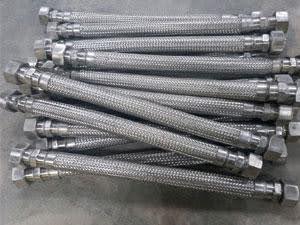
Metal hoses are useful in a variety of different industrial applications including the transfer of air, gas and fluids. It is also used to balance thermal pressure and help with misalignment issues. Easyflex designs and manufactures high-performing metal hose assemblies that provide longevity, flexibility and strength to any application. We offer a broad range of corrugated inner core diameters and designs, multi braiding capabilities, and engineered assembly expertise to meet to most challenging applications.


Proper hose and fitting selection are critical to the safety of both your people and your profits, thus why the S.T.A.M.P.E.D acronym was created. The STAMPED acronym is an industry-wide standard that should begin every conversation when selecting a hose for a new application. STAMPED stands for: Size, Temperature, Application, Material, Pressure, Ends and Delivery.

Easyflex offers a wide variety of custom-built hose assemblies that are assembled in-house and have equipment experts that are trained to assess the needs of any application. Our hose assemblies are engineered to provide reliable presentation while integrating with the other equipment in the processing line to deliver maximum production output.


Flexible Metallic Hose Connections
  1. Size : 1/4″ (6mm) to 12″ (300mm)
  2. Temperature : -200ºC to 700ºC
  3. Material : Hose S.S. 316/321/304, Braiding S.S. 304
  4. Material of End connection : M.S., Carbon Steel, brass, G.M. SS 304/304L/316L/321
  5. Type of End Connections : Threaded Type BSP, BSPT, NPT, NPTF, METRIC, SAE, JIC
  6. Fittings/Flanges : We can adapt virtually any fittings and flanges to a metal hose – other hose products require special and significant variances. We specialize in providing flexible options. Certified Welding methods: S4041:2006 Class 1 ASME B31.3: 2008 ASME IX:2010 AS/NZS 3992:1998
    End Fittings : Manufactured from Mild Steel, Stainless Steel or Brass. These are fitted by Argon Welding (TIG) or brazing on S.S. Hose depending upon hose type and service conditions to from a complete hose assembly.

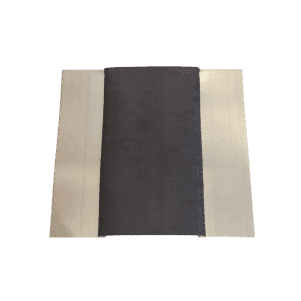
At Inventure, we offer high-quality Duct Flexible Connectors designed to isolate vibrations caused by air handling units (AHUs) and fans connected to air ducts. Installing a flexible duct connector joint between the outlet of these devices and the ductwork helps reduce noise, absorb vibration, and prevent mechanical stress, enhancing the longevity and performance of HVAC systems.

Design Features

  1. Material: Fiberglass cloth coated on both sides with Polychloroprene (Neoprene)
  2. Color: Black
  3. Weight: 720 g/m² (21 oz/yd²)
  4. Temperature Range: -20°C to +120°C (-4°F to 248°F)
  5. Fire Resistance: Hardly flammable; certified UL listed, NFPA 701, M1 (French standards), BS476 part 7 (British standards)
  6. Mechanical Properties: Excellent mechanical resistance for durability and long service life
  7. Steel Frame: Galvanized steel with 0.4 mm thickness

Benefits

  1. Effectively isolates vibration and noise from AHUs and fans
  2. Prevents stress and fatigue in ductwork and connected equipment
  3. Durable and long-lasting, suitable for commercial and industrial HVAC systems
  4. Compliant with international fire safety standards
Subscription Form