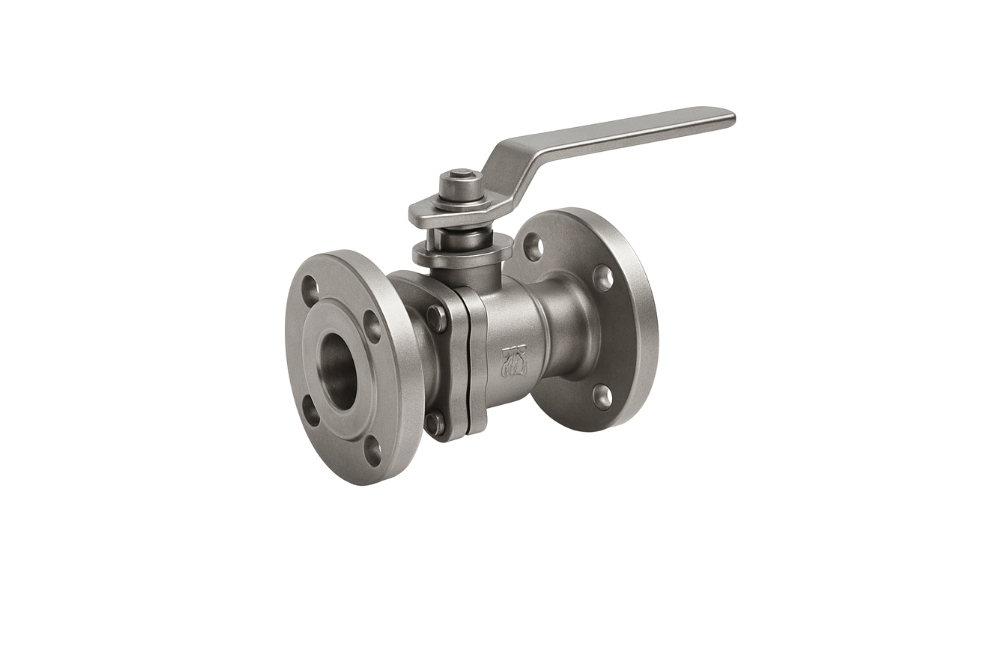
BMS Field Devices and Instruments refer to the physical components installed throughout a building that interact directly with a Building Management System (BMS) to monitor, control, and automate various building services such as HVAC, lighting, energy usage, fire safety, and security systems.
These field devices act as the eyes, ears, and hands of the BMS. They include a wide range of sensors, actuators, and interface devices that collect real-time data from the environment or equipment and execute control commands issued by the central BMS controller. Common examples include temperature sensors, humidity sensors, CO₂ sensors, occupancy detectors, pressure transducers, valve actuators, damper actuators, and thermostats.
By gathering data and executing commands, BMS field devices help ensure optimal energy efficiency, occupant comfort, system reliability, and reduced operational costs. These devices are usually networked through communication protocols like BACnet, Modbus, or KNX, allowing seamless integration with the central BMS.
In essence, BMS field devices and instruments are critical to the intelligent operation of modern buildings, enabling precise environmental control, fault detection, predictive maintenance, and efficient facility management.
The construction of BMS (Building Management System) field devices and instruments is designed for accuracy, durability, and seamless communication within automated building environments. These components are built using a combination of electronic sensors, actuators, circuit boards, housings, and communication interfaces, all tailored to operate reliably under various environmental conditions.
Most BMS field devices, such as temperature, humidity, CO₂, or pressure sensors, consist of a sensing element—made from materials like thermistors, RTDs (Resistance Temperature Detectors), piezoelectric crystals, or capacitive polymers—mounted on a printed circuit board (PCB). This board processes the raw signal from the sensor and converts it into a readable format, often as an analog (4–20 mA or 0–10 V) or digital signal (BACnet, Modbus, etc.). The electronics are enclosed in protective housings made from UV-resistant plastic or aluminium, which may be IP-rated for protection against dust and moisture, particularly in outdoor or industrial settings.
Actuators, used to control dampers, valves, and other mechanical components, are constructed with an electric motor or servo mechanism, internal gear systems, and a feedback sensor (such as a potentiometer or encoder) to ensure accurate positioning. The housing includes mounting brackets and shaft adapters to allow easy installation on HVAC or plumbing components.
Instruments such as thermostats, user interface panels, and local control modules feature LCD or touchscreen displays, keypads, and microcontrollers enclosed in compact, wall-mounted casings. These may also include temperature and motion sensors, depending on the application.
All BMS field devices include integrated communication chips or terminals to interface with the building’s automation network. Wiring terminals or wireless modules allow data to be sent back to the central BMS controller for real-time analysis and system adjustment.
Overall, the construction of BMS field devices is focused on precision sensing, mechanical reliability, environmental resilience, and compatibility with intelligent building control networks, ensuring efficient and responsive building operations.
An Industrial Process Chiller is made up of several essential components that work together to regulate temperature and ensure smooth operation. Each part plays a crucial role in the refrigeration cycle:

Wireless technology has revolutionised the way we communicate, work, and interact with the world around us. By eliminating the need for physical connections, wireless systems enable seamless data transmission over radio waves, infrared signals, or other frequency spectrums. From personal devices like smartphones and laptops to large-scale industrial applications, wireless technology offers flexibility, mobility, and convenience, making it an integral part of modern life.
In businesses and industries, wireless solutions play a vital role in enhancing operational efficiency, real-time monitoring, and remote management. Applications range from wireless internet connectivity (Wi-Fi), Bluetooth communication, and mobile networks to advanced IoT (Internet of Things) systems that connect machines, sensors, and control devices. These technologies allow for quick data sharing, improved productivity, and better decision-making without the limitations of wired infrastructure.
The demand for reliable, high-speed, and secure wireless communication continues to grow across various sectors. As technology evolves, innovations such as 5G, Wi-Fi 6, and low-power wide-area networks (LPWAN) are expanding the possibilities for wireless connectivity. Whether in homes, offices, factories, or smart cities, wireless technology remains at the forefront of digital transformation, offering scalable solutions to meet the dynamic needs of both individuals and enterprises.
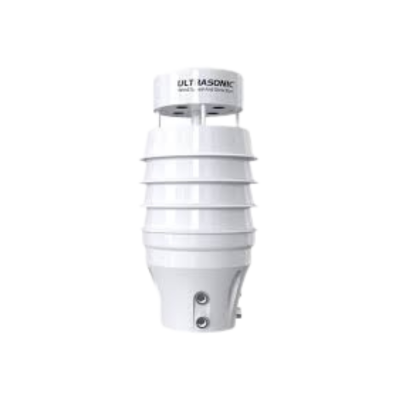
Weather stations are sophisticated systems designed to measure and monitor atmospheric conditions in real-time. Equipped with a variety of sensors, these stations collect data on temperature, humidity, wind speed, wind direction, barometric pressure, rainfall, and solar radiation. The information gathered by weather stations plays a crucial role in forecasting, research, agriculture, aviation, and disaster management, helping industries and individuals make informed decisions based on accurate environmental data.
Modern weather stations range from compact personal units to advanced professional-grade systems used by meteorological agencies and research organisations. Many of these stations are now integrated with wireless technology and cloud-based platforms, allowing for remote data access, continuous monitoring, and automated reporting. The accuracy and reliability of these systems have greatly improved with technological advancements, enabling precise short-term forecasts and long-term climate analysis.
The deployment of weather stations contributes significantly to safety, planning, and resource management across various sectors. In agriculture, accurate weather data helps farmers optimise irrigation and protect crops from adverse conditions. In aviation, real-time monitoring ensures safer flight operations. As climate change intensifies the need for precise environmental monitoring, weather stations continue to serve as essential tools for understanding and adapting to our rapidly changing world.
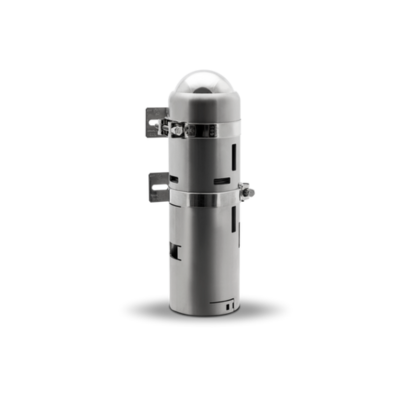
Sensors for infrastructure play a critical role in monitoring the health, performance, and safety of buildings, bridges, tunnels, and other vital structures. By continuously measuring factors such as strain, vibration, temperature, humidity, and displacement, these sensors provide real-time data that helps engineers detect early signs of structural stress, fatigue, or potential failure. This proactive monitoring allows for timely maintenance, reduces downtime, and extends the lifespan of infrastructure assets.
Modern infrastructure sensors are often integrated into advanced monitoring systems that utilise wireless communication, IoT technology, and cloud-based data platforms. This integration enables remote access to live data, predictive analytics, and automated alerts, allowing operators to respond quickly to changing conditions. The use of smart sensors enhances decision-making processes, optimises resource allocation, and supports long-term sustainability goals by ensuring structures operate efficiently and safely over time.
As global infrastructure ages and new projects demand higher safety standards, the adoption of advanced sensor technologies has become increasingly important. From large-scale transportation networks to urban buildings and energy facilities, sensors provide a reliable, non-invasive solution for continuous monitoring and management. Their contribution to improving structural resilience, public safety, and operational efficiency makes them an indispensable part of modern infrastructure development and maintenance.
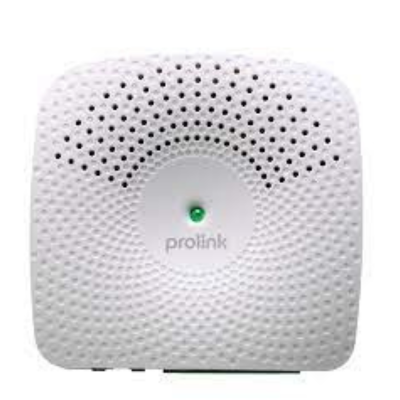
Environmental monitoring involves the systematic collection and analysis of data to track changes in the natural environment. By measuring key parameters such as air quality, water quality, soil conditions, noise levels, and radiation, these monitoring systems help assess the impact of human activities and natural events on ecosystems and public health. Governments, industries, and research organisations rely on environmental monitoring to ensure compliance with regulations, protect natural resources, and support sustainable development efforts.
Modern environmental monitoring systems use a combination of advanced sensors, data loggers, wireless communication, and cloud-based platforms to provide real-time data and long-term trend analysis. This technology allows for accurate and continuous monitoring across vast and remote areas, enabling faster response to environmental threats such as pollution, climate change, or natural disasters. The integration of artificial intelligence and predictive analytics further enhances the ability to identify potential risks and implement timely interventions.
As global environmental challenges intensify, the importance of reliable and comprehensive monitoring has never been greater. From urban air quality management to water resource protection and climate research, environmental monitoring plays a crucial role in shaping policies and guiding responsible decision-making. Its contribution to safeguarding ecosystems, public health, and future generations underscores its growing significance in modern society.
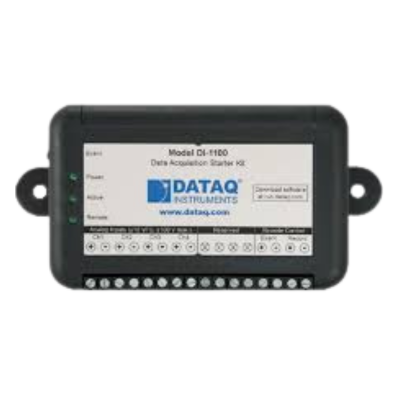
Dataloggers and Data Acquisition (DAQ) systems are essential tools for capturing, storing, and analysing real-time data across a wide range of industries. These systems collect information from sensors, instruments, or machines, recording parameters such as temperature, pressure, voltage, vibration, and humidity. By continuously monitoring these variables, dataloggers and DAQ systems help engineers, researchers, and operators gain valuable insights into system performance, process efficiency, and equipment health.
While dataloggers are typically compact, stand-alone devices designed for long-term unattended monitoring, DAQ systems are often more complex, offering higher-speed data collection, multi-channel inputs, and integration with control systems and software platforms. DAQ systems are widely used in laboratory testing, manufacturing, automotive testing, and industrial automation, where precision and real-time analysis are critical. Both solutions allow users to track trends, detect anomalies, and make informed decisions based on accurate and timely data.
As industries continue to adopt smart technologies and digital transformation, the role of dataloggers and DAQ systems has expanded significantly. With advancements in wireless communication, cloud storage, and analytics, these systems now offer remote access, automated reporting, and predictive maintenance capabilities. Their ability to enhance productivity, optimise processes, and ensure safety makes dataloggers and DAQ systems indispensable components in modern monitoring and control applications.
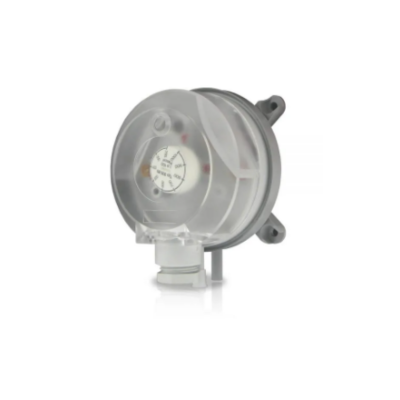
Pressure instruments are critical devices used to measure, monitor, and control pressure levels in gases and liquids across various industries. Accurate pressure measurement is essential for maintaining safety, optimising process performance, and ensuring the reliability of equipment in sectors such as oil & gas, chemical processing, power generation, pharmaceuticals, and manufacturing. Whether measuring absolute, gauge, or differential pressure, these instruments provide operators with precise data needed for system stability and operational efficiency.
Modern pressure instruments come in a wide range of designs, including pressure gauges, transmitters, switches, and sensors. With advancements in digital technology, many instruments now offer real-time monitoring, remote data transmission, and integration with automated control systems. This allows operators to continuously track pressure fluctuations, receive alerts for abnormal conditions, and take corrective actions before problems escalate, thus reducing downtime and preventing costly equipment failures.
The choice of high-quality pressure instruments ensures not only measurement accuracy but also durability in harsh operating environments. Materials such as stainless steel, specialised coatings, and robust sensor designs allow these instruments to withstand extreme temperatures, corrosive media, and high-pressure conditions. As industries continue to demand greater precision and reliability, pressure instruments remain a vital component for safe, efficient, and compliant operations.
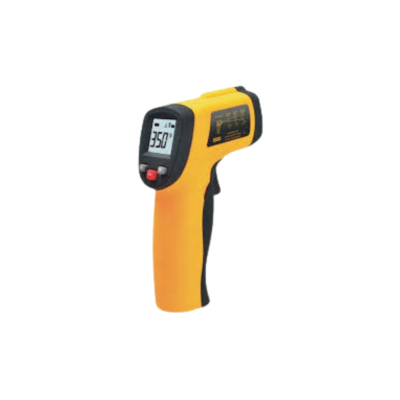
Temperature instruments are essential tools used to measure, monitor, and regulate temperature in a wide range of industrial, commercial, and laboratory applications. Accurate temperature control is crucial for maintaining product quality, ensuring safety, and optimising process efficiency across sectors such as manufacturing, pharmaceuticals, food processing, HVAC, and energy production. These instruments provide real-time data that help operators maintain stable operating conditions and meet strict regulatory standards.
There are various types of temperature instruments available, including thermocouples, resistance temperature detectors (RTDs), infrared sensors, bimetallic thermometers, and digital temperature controllers. Each type is designed to suit specific measurement ranges, response times, and environmental conditions. With the advancement of technology, many modern temperature instruments are now equipped with features like wireless data transmission, remote monitoring, and integration with automated control systems, allowing for more precise and convenient temperature management.
Selecting high-quality temperature instruments ensures reliable performance even in harsh environments, where factors like extreme heat, moisture, or chemical exposure can impact accuracy. Durable construction, proper calibration, and regular maintenance help extend the lifespan of these instruments while ensuring consistent and trustworthy data. As industries continue to adopt smarter and more automated processes, temperature instruments remain indispensable for maintaining operational stability and achieving optimal system performance.
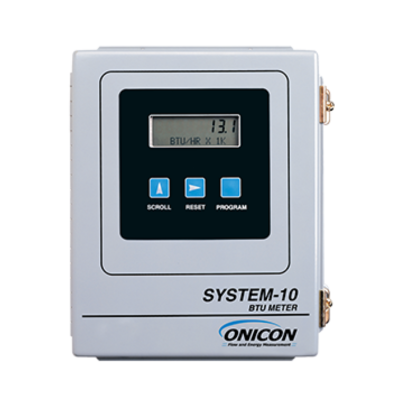
BTU and heat meters are precision instruments used to measure the amount of thermal energy consumed or transferred in heating and cooling systems. BTU (British Thermal Unit) meters calculate the energy usage by measuring the flow rate and temperature difference of a fluid circulating through a system. These meters play a critical role in energy management, allowing for accurate billing, system monitoring, and performance optimisation in residential, commercial, and industrial applications.
Commonly installed in centralised heating and cooling networks, district energy systems, and large HVAC installations, BTU and heat meters provide detailed data on energy consumption for individual units or entire buildings. This data helps facility managers, utility providers, and property owners track energy usage, identify inefficiencies, and implement cost-saving measures. Advanced meters often feature digital displays, remote data access, and integration with building management systems, offering real-time monitoring and streamlined energy reporting.
The adoption of BTU and heat meters supports energy conservation efforts and promotes transparency in energy billing. Accurate measurement not only ensures fair cost distribution among users but also encourages responsible energy consumption. As sustainability and energy efficiency become increasingly important, BTU and heat meters continue to be a vital component in modern heating and cooling infrastructure, contributing to smarter, greener building operations.
Cleanroom instruments are highly specialised devices designed to monitor and maintain controlled environments where contamination control is critical. Used extensively in industries such as pharmaceuticals, biotechnology, semiconductor manufacturing, and healthcare, these instruments ensure that temperature, humidity, air quality, and particle counts remain within strict regulatory limits. The precise operation of cleanroom instruments helps protect sensitive processes, safeguard product quality, and ensure compliance with international cleanroom standards.
Key cleanroom instruments include particle counters, differential pressure monitors, temperature and humidity sensors, air velocity meters, and microbial air samplers. These devices provide real-time data that allows operators to detect and correct any deviations immediately, preventing potential contamination events. Many modern cleanroom monitoring systems are fully automated, featuring data logging, remote access, and integration with building management systems to offer continuous oversight and comprehensive environmental control.
The use of reliable and accurate cleanroom instruments is essential for maintaining the integrity of sensitive production and research environments. Regular calibration, validation, and maintenance of these instruments ensure consistent performance and long-term compliance with industry standards such as ISO 14644 and GMP regulations. As cleanroom technology advances, these instruments continue to play a vital role in supporting high-precision manufacturing, protecting patient safety, and enabling cutting-edge scientific innovation.
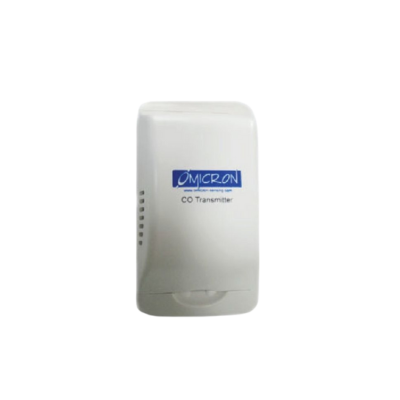
Air quality sensors are advanced devices designed to detect and measure the concentration of pollutants and particles in the air. They monitor key parameters such as particulate matter (PM2.5, PM10), carbon dioxide (CO₂), carbon monoxide (CO), volatile organic compounds (VOCs), ozone (O₃), nitrogen dioxide (NO₂), temperature, and humidity. These sensors provide real-time data that help assess indoor and outdoor air quality, ensuring healthier environments in residential, commercial, industrial, and public spaces.
Widely used in smart buildings, hospitals, factories, and environmental monitoring stations, air quality sensors enable continuous tracking of pollutant levels and allow timely interventions to maintain safe air conditions. With the integration of IoT technology, many modern sensors offer wireless data transmission, cloud-based analytics, and automated alerts for quick response to deteriorating air quality. This capability is especially valuable in urban areas, where pollution levels fluctuate rapidly and impact both public health and regulatory compliance.
The demand for accurate and reliable air quality sensors has grown significantly as awareness of air pollution’s effects on health and well-being increases. These sensors play a crucial role in improving indoor air quality management, optimising ventilation systems, and supporting air purification technologies. As cities and industries work towards cleaner and safer environments, air quality sensors continue to serve as essential tools in monitoring, controlling, and improving the air we breathe.
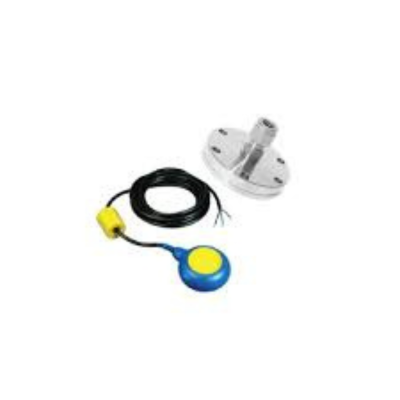
Level instruments are precision devices used to measure and monitor the level of liquids, solids, or granular materials within tanks, silos, and vessels. Accurate level measurement is crucial across various industries such as water treatment, oil & gas, food & beverage, pharmaceuticals, and chemical processing, where maintaining proper levels ensures process efficiency, product quality, and safety. These instruments provide real-time data that help operators prevent overflows, dry runs, and costly downtime.
There are several types of level instruments available, including ultrasonic, radar, capacitive, hydrostatic, and float-based sensors. Each technology offers unique advantages depending on the application, material type, and environmental conditions. Advanced level instruments can handle extreme temperatures, high pressures, and corrosive materials, making them suitable for even the most demanding industrial settings. Many modern systems also feature remote monitoring, digital displays, and integration with control systems for automated process management.
Selecting high-quality level instruments not only improves operational reliability but also reduces maintenance needs and enhances overall system safety. Regular calibration and proper installation ensure long-term accuracy and consistent performance. As industries continue to advance automation and process optimisation, level instruments remain a critical component in achieving precise inventory control, efficient resource utilisation, and safe industrial operations.
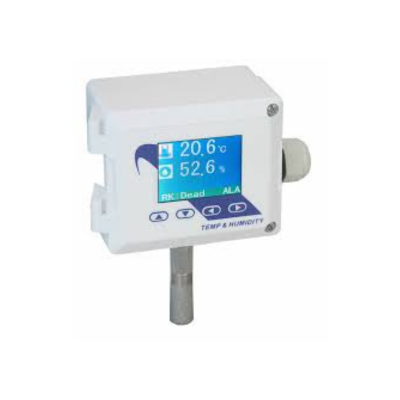
HVAC/BMS (Building Management System) sensors are essential components that monitor and control the critical parameters of heating, ventilation, and air conditioning systems. These sensors collect real-time data on temperature, humidity, pressure, air quality, occupancy, and energy consumption to optimise building performance and occupant comfort. By providing accurate measurements, HVAC/BMS sensors help maintain stable indoor environments while maximising energy efficiency and reducing operational costs.
In modern smart buildings, HVAC/BMS sensors are fully integrated into centralised control systems that automate and fine-tune HVAC operations based on real-time conditions. This allows for adaptive energy management, ensuring optimal performance during peak and off-peak hours while minimising unnecessary energy usage. Sensors such as CO₂ detectors, differential pressure sensors, airflow sensors, and occupancy detectors enable dynamic adjustments that improve both indoor air quality and overall building sustainability.
As the demand for energy-efficient, intelligent buildings grows, the role of HVAC/BMS sensors has become increasingly important in achieving green building certifications and compliance with stringent environmental regulations. These sensors not only enhance operational efficiency but also contribute to long-term cost savings, improved occupant health, and a reduced environmental footprint. Their precision, reliability, and adaptability make HVAC/BMS sensors a cornerstone of modern building automation and smart infrastructure systems.
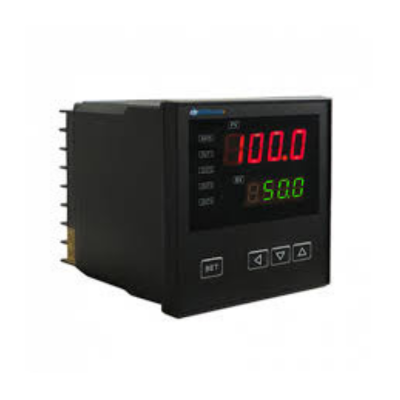
Indicators and controllers are vital components in industrial automation, process control, and monitoring systems. Indicators provide clear, real-time visual displays of process variables such as temperature, pressure, flow, level, and speed, allowing operators to easily monitor system performance. Controllers, on the other hand, regulate these process parameters by receiving sensor inputs and making adjustments to maintain the desired setpoints, ensuring consistent product quality, system stability, and operational safety.
These devices are widely used across industries such as manufacturing, HVAC, food processing, pharmaceuticals, and energy management. Modern indicators and controllers are equipped with digital interfaces, programmable logic, and communication protocols that allow seamless integration into larger control systems like SCADA and DCS. With advanced features such as alarms, data logging, and remote access, they enable operators to quickly detect deviations, respond to system issues, and optimise overall process efficiency.
The accuracy and reliability of indicators and controllers directly impact the efficiency and safety of critical operations. Choosing high-quality, well-calibrated devices ensures precise control and minimises downtime, leading to reduced operational costs and improved productivity. As industries continue to advance toward greater automation and smart factory solutions, indicators and controllers remain indispensable for achieving optimal performance and maintaining strict process control standards.
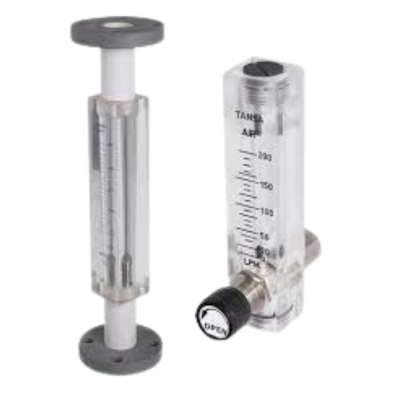
Flow instruments are essential devices used to measure and monitor the movement of liquids, gases, or steam within pipelines and systems. Accurate flow measurement is critical across a wide range of industries, including water treatment, oil & gas, chemical processing, pharmaceuticals, food & beverage, and HVAC. By providing real-time data on flow rates, these instruments help ensure process efficiency, product quality, system safety, and regulatory compliance.
There are various types of flow instruments, including electromagnetic, ultrasonic, turbine, vortex, Coriolis, and differential pressure flow meters. Each technology is suited to specific applications based on the type of fluid, flow conditions, and required accuracy. Modern flow instruments often feature digital displays, remote monitoring capabilities, and integration with control systems for automated process management. This allows operators to quickly detect irregularities, optimise performance, and make data-driven decisions to enhance system reliability.
Selecting the right flow instruments ensures long-term operational stability, reduced maintenance, and accurate reporting. High-quality, well-calibrated devices help minimise energy waste, prevent process disruptions, and protect valuable equipment. As industries continue to adopt advanced automation and data-driven control systems, flow instruments remain a vital part of maintaining smooth and efficient operations in increasingly complex industrial environments.

Water quality sensors are precision instruments designed to monitor and measure various parameters that determine the safety and purity of water. These sensors can detect key factors such as pH, turbidity, dissolved oxygen, conductivity, temperature, and the presence of specific contaminants or chemicals. Accurate water quality monitoring is critical for industries like drinking water treatment, wastewater management, aquaculture, pharmaceuticals, and environmental research, where maintaining clean and safe water is essential.
Modern water quality sensors are equipped with advanced technology that allows for real-time monitoring, continuous data logging, and remote access via cloud-based platforms. Many systems are integrated into larger water management or SCADA systems, enabling automated alerts, trend analysis, and predictive maintenance. This level of monitoring allows operators to respond quickly to potential issues, ensuring regulatory compliance and protecting public health and the environment.
As global concerns about water scarcity and pollution increase, the demand for reliable and accurate water quality sensors continues to grow. These instruments help organisations maintain strict quality standards, optimise water treatment processes, and ensure sustainable use of water resources. Their ability to provide continuous, real-time data makes them indispensable for ensuring safe, efficient, and environmentally responsible water management across a wide range of applications.

Psychrometric instruments are specialised devices used to measure the thermodynamic properties of air, particularly its moisture content and temperature. By analysing parameters such as dry bulb temperature, wet bulb temperature, relative humidity, and dew point, these instruments provide critical data for understanding air-water vapour mixtures. Psychrometric measurements are essential in industries like HVAC, agriculture, pharmaceuticals, and environmental monitoring, where precise control of air conditions directly affects product quality, energy efficiency, and occupant comfort.
Modern psychrometric instruments include digital hygrometers, psychrometers, dew point meters, and advanced multi-sensor systems. These devices offer high accuracy, fast response times, and often feature data logging, wireless connectivity, and integration with building management systems. By continuously monitoring air conditions, psychrometric instruments help optimise HVAC system performance, maintain ideal environmental conditions for sensitive processes, and ensure regulatory compliance in controlled environments.
The reliable use of psychrometric instruments allows engineers and facility managers to fine-tune ventilation, heating, and cooling systems for maximum efficiency and comfort. Accurate measurement of air moisture content also helps prevent issues such as mould growth, condensation, and material degradation. As industries continue to focus on sustainability, energy conservation, and indoor air quality, psychrometric instruments remain indispensable tools for precise environmental control and system optimisation.
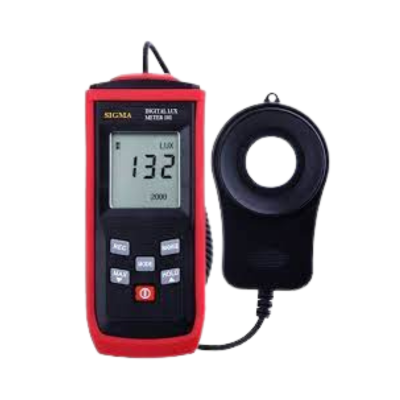
Portable instruments are compact, easy-to-use devices designed to perform accurate measurements and diagnostics in the field or on-site, eliminating the need for stationary equipment. These instruments are widely used across industries such as environmental monitoring, HVAC, manufacturing, healthcare, energy, and laboratory research. Their portability allows technicians, engineers, and inspectors to carry out real-time measurements, inspections, and troubleshooting at multiple locations with speed and convenience.
Modern portable instruments come in various types, including portable gas detectors, temperature meters, humidity meters, vibration analysers, sound level meters, and handheld data loggers. Equipped with advanced sensors, digital displays, data storage, and wireless connectivity, these instruments offer high precision and easy data management. Many models also feature rugged designs to withstand harsh field conditions, making them reliable even in challenging industrial or outdoor environments.
The flexibility and efficiency provided by portable instruments significantly reduce downtime, enhance operational safety, and improve decision-making. By enabling immediate on-site assessments, they help organisations detect problems early, ensure regulatory compliance, and maintain optimal system performance. As industries increasingly rely on mobility and real-time data, portable instruments continue to play a crucial role in modern maintenance, inspection, and quality control processes.