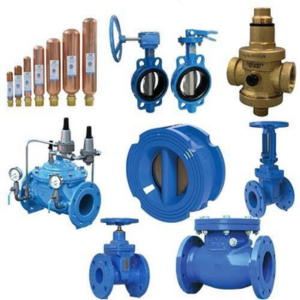
HVAC and plumbing valves are integral components in the control and regulation of fluids, gases, or steam within their respective systems. In HVAC systems, these valves are used to manage the flow of water, refrigerants, air, and steam, ensuring efficient temperature control, air quality, and system performance. Common types of HVAC valves include control valves, which adjust the flow of fluids based on temperature readings, ball valves for quick isolation of system sections, and pressure relief valves that prevent overpressure. Similarly, in plumbing systems, valves are essential for regulating water flow, maintaining proper pressure, and ensuring safety. These include ball valves for shutting off water supply, gate valves for controlling flow in larger systems, and check valves that prevent backflow, safeguarding water quality. Constructed from materials like brass, stainless steel, and PVC, these valves are designed for durability and reliability, playing a crucial role in optimizing the performance and safety of both HVAC and plumbing systems in residential, commercial, and industrial applications.
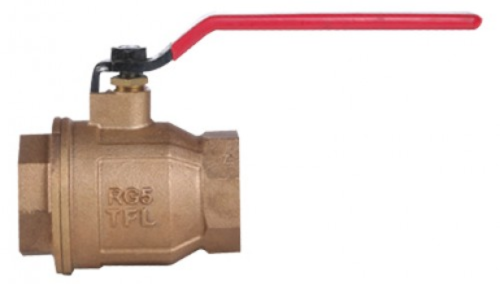
Inventure offers high-quality Bronze Ball Valves designed for efficient flow control in HVAC, plumbing, and industrial applications. These valves are lightweight, compact, and easy to install, ensuring reliable performance and long service life even under demanding operating conditions.
Maximum Pressure: 25 bar
Operating Temperature Range: -10°C to 150°C
Shell Test Pressure: 37.5 bar
Seat Test Pressure: 27.5 bar
Ball material: Stainless Steel
Seat & stem seal: PTFE
Operation: Lever operated
End connection: Threaded to BS EN 10226-2 (ISO 7-1)
Testing standard: BS EN 12266-2
DIMENSIONS & WEIGHTS
Type: 15 MM | A: 1/2” BSP | L: 60 mm | H: 56 mm | Weight: 0.34 kg
Type: 20 MM | A: 3/4” BSP | L: 69 mm | H: 64 mm | Weight: 0.48 kg
Type: 25 MM | A: 1” BSP | L: 76 mm | H: 65 mm | Weight: 0.64 kg
Type: 32 MM | A: 1-1/4” BSP | L: 85 mm | H: 82 mm | Weight: 1.13 kg
Type: 40 MM | A: 1-1/2” BSP | L: 99 mm | H: 98 mm | Weight: 1.71 kg
Type: 50 MM | A: 2” BSP | L: 125 mm | H: 108 mm | Weight: 2.47 kg
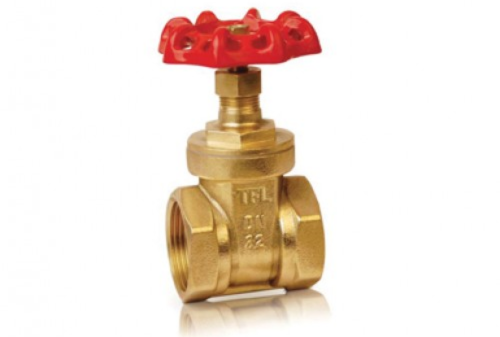
Inventure offers DZR Brass Gate Valves designed for reliable shut-off applications where space saving and durability are critical. The non-rising stem design makes this valve ideal for confined installations, while its robust construction ensures long-term, leak-free performance in plumbing and HVAC systems.
Features:
Non-rising stem design, ideal for installations with limited space
Solid wedge disc with integral seat for tight shut-off
Bi-directional flow capability
Female threaded ends for quick and easy installation
Screw-in bonnet design suitable for applications requiring frequent maintenance
Double O-ring seal ensuring zero leakage
Single piece wedge construction for enhanced strength
Hand wheel operated for smooth and reliable control
Designed for long service life with minimal maintenance
Pressure & Temperature Rating:
Maximum working pressure: 20 bar
Operating temperature range: -10°C to 120°C
Shell test pressure: 30 bar
Seat test pressure: 22 bar
Disc type: Solid wedge disc
Stem type: Non-rising stem
Bonnet: Screw-in type
Operation: Hand wheel operated
End connection: Threaded to BS EN 10226-2 (ISO 7-1)
Design standard: BS EN 12288:2010 PN20
Testing standard: BS EN 12266-2
15 mm (1/2″) – Bore 12.8 mm, Body diameter 55 mm, Height 70 mm, Face-to-face length 45 mm
20 mm (3/4″) – Bore 17 mm, Body diameter 55 mm, Height 74.5 mm, Face-to-face length 49.5 mm
25 mm (1″) – Bore 21 mm, Body diameter 60 mm, Height 85 mm, Face-to-face length 55 mm
32 mm (1-1/4″) – Bore 27 mm, Body diameter 72 mm, Height 100 mm, Face-to-face length 59.5 mm
40 mm (1-1/2″) – Bore 34 mm, Body diameter 72 mm, Height 113 mm, Face-to-face length 63 mm
50 mm (2″) – Bore 45 mm, Body diameter 80 mm, Height 131 mm, Face-to-face length 69 mm
65 mm (2-1/2″) – Bore 56 mm, Body diameter 100 mm, Height 160 mm, Face-to-face length 88 mm
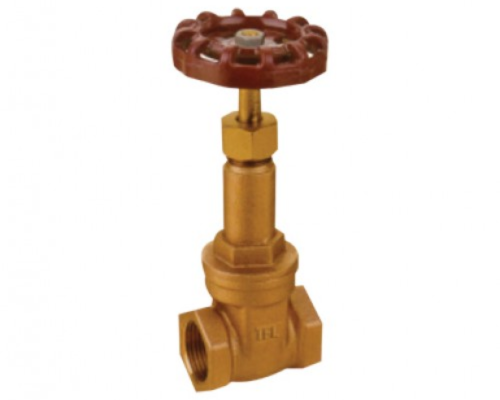
Inventure offers Bronze Gate Valves with Rising Stem engineered for dependable shut-off applications where visual valve position indication and extended neck insulation are required. The rising stem design clearly indicates open and close positions, making it ideal for HVAC and industrial piping systems.
Rising stem design provides clear visual indication of valve position
Extended neck suitable for perfect insulation applications
Solid wedge disc with integral seats for tight and reliable shut-off
Bi-directional flow capability
Female threaded ends for easy and secure installation
Screw-in bonnet design, suitable for applications with infrequent maintenance
Single piece solid wedge for enhanced strength and durability
Hand wheel operated for smooth and controlled operation
Robust construction ensures long service life with minimal maintenance
Maximum working pressure: 20 bar
Operating temperature range: -10°C to 120°C
Shell test pressure: 30 bar
Seat test pressure: 22 bar
Disc type: Solid wedge disc
Stem type: Rising stem
Bonnet: Screw-in bonnet
Operation: Hand wheel operated
End connection: Threaded to ANSI B1.20.1
Pressure rating: Class 150
Design standard: MSS SP-80
Testing standard: API 598
15 mm (1/2” BSP) – Face-to-face length 60 mm, Overall height 140 mm, Handwheel diameter 58 mm, Weight 0.35 kg
20 mm (3/4” BSP) – Face-to-face length 60 mm, Overall height 140 mm, Handwheel diameter 58 mm, Weight 0.42 kg
25 mm (1” BSP) – Face-to-face length 70 mm, Overall height 160 mm, Handwheel diameter 67 mm, Weight 0.54 kg
32 mm (1-1/4” BSP) – Face-to-face length 80 mm, Overall height 190 mm, Handwheel diameter 73 mm, Weight 0.95 kg
40 mm (1-1/2” BSP) – Face-to-face length 90 mm, Overall height 190 mm, Handwheel diameter 85 mm, Weight 1.00 kg
50 mm (2” BSP) – Face-to-face length 100 mm, Overall height 230 mm, Handwheel diameter 110 mm, Weight 1.50 kg
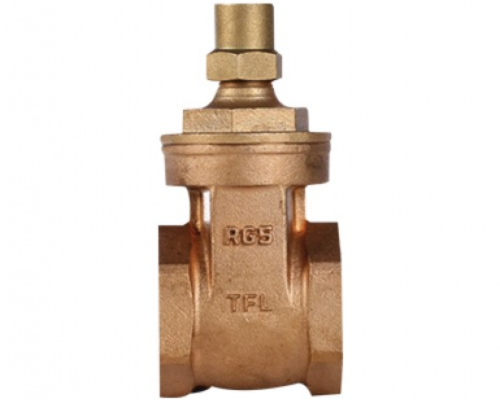
Inventure offers Bronze Lock Shield Valves designed for precise flow regulation and dependable shut-off in HVAC and plumbing systems. The non-rising stem design makes it ideal for space-constrained installations, while the lock shield mechanism ensures controlled operation using a standard Allen key.
Non-rising stem design, ideal for applications where space saving is required
Solid wedge disc with integral seats for tight shut-off
Bi-directional flow capability
Female threaded ends for easy and secure installation
Screw-in bonnet design suitable for applications with infrequent maintenance
Lock shield operation using a standard Allen key for controlled access
Single piece solid wedge for enhanced durability
Designed for dependable, long-term service
Robust construction ensures minimal maintenance and high reliability
Maximum working pressure: 20 bar
Operating temperature range: -10°C to 120°C
Shell test pressure: 30 bar
Seat test pressure: 22 bar
Disc type: Solid wedge disc
Stem type: Non-rising stem
Bonnet: Screw-in bonnet
Operation: Lock shield (Allen key operated)
End connection: Threaded to BS EN 10226-2 (ISO 7-1)
Design standard: BS EN 12288:2010 PN20
Testing standard: BS EN 12266-2
15 mm – Face-to-face dimension 46 mm, Overall height 70 mm, Weight 0.25 kg
20 mm – Face-to-face dimension 50 mm, Overall height 74 mm, Weight 0.35 kg
25 mm – Face-to-face dimension 55 mm, Overall height 84 mm, Weight 0.45 kg
32 mm – Face-to-face dimension 61 mm, Overall height 97 mm, Weight 0.65 kg
40 mm – Face-to-face dimension 63 mm, Overall height 109 mm, Weight 0.90 kg
50 mm – Face-to-face dimension 71 mm, Overall height 125 mm, Weight 1.30 kg
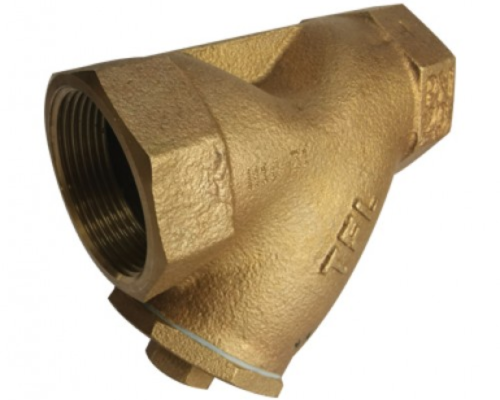
Inventure offers Bronze Y-Strainers designed to protect piping systems and equipment from damage caused by foreign particles, debris, and metal contaminants. The robust construction combined with a stainless steel perforated screen ensures efficient filtration, low pressure drop, and long-term reliable performance in HVAC and plumbing applications.
Stainless steel perforated screen for effective filtration
Robust and compact design with short face-to-face dimension
Female threaded ends for easy and secure installation
Low flow resistance with approximately 50% free flow area
Streamlined internal flow contours to minimize pressure drop
Asbestos-free non-stick gasket for safe and reliable sealing
Comprehensive flow characteristics for efficient system performance
Protects downstream equipment from damage caused by foreign particles
Reduces maintenance cost and minimizes system downtime
Maximum working pressure: 20 bar
Operating temperature range: -10°C to 120°C
Shell test pressure: 30 bar
Strainer element: Stainless steel perforated screen
Mesh size: 0.75 mm
High-quality screen material conforming to stringent material standards
End connection: Threaded to BS EN 10226-2 (ISO 7-1)
Testing standard: BS EN 12266-2
15 mm (1/2” BSP) – Face-to-face length 60 mm, Overall height 41 mm, Weight 0.22 kg
20 mm (3/4” BSP) – Face-to-face length 70 mm, Overall height 47 mm, Weight 0.31 kg
25 mm (1” BSP) – Face-to-face length 78 mm, Overall height 54 mm, Weight 0.46 kg
32 mm (1-1/4” BSP) – Face-to-face length 92 mm, Overall height 67 mm, Weight 0.68 kg
40 mm (1-1/2” BSP) – Face-to-face length 105 mm, Overall height 78 mm, Weight 0.96 kg
50 mm (2” BSP) – Face-to-face length 125 mm, Overall height 92 mm, Weight 1.56 kg
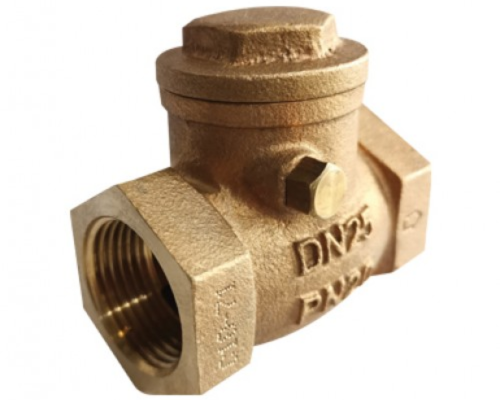
Inventure offers Bronze Swing Check Valves designed to allow unidirectional flow while automatically preventing reverse flow in piping systems. The valve operates automatically based on flow pressure and velocity, ensuring reliable protection of pumps and equipment in HVAC and plumbing applications.
Permits flow in one direction and restricts reverse flow
Automatic operation based on line pressure and flow velocity
Robust, high-quality bronze body for long service life
Metal-to-metal seat design for enhanced sealing performance
Swing pattern design for smooth flow characteristics
Screw-in bonnet for easy servicing and disc regrinding
Suitable for horizontal and vertical pipe installation (as per flow direction arrow)
Reliable operation without manual intervention
Low maintenance and dependable performance
Maximum working pressure: 20 bar
Operating temperature range: -10°C to 120°C
Shell test pressure: 30 bar
Seat test pressure: 22 bar
Body material: Bronze
Valve type: Swing check pattern
Seat type: Metal-to-metal
Bonnet: Threaded cap
End connection: Threaded to BS EN 10226-2 (ISO 7-1)
Design standard: BS 5154:1991
Testing standard: BS EN 12266-2
15 mm (1/2” BSP) – Face-to-face length 82 mm, Overall height 54 mm, Weight 0.34 kg
20 mm (3/4” BSP) – Face-to-face length 85 mm, Overall height 63 mm, Weight 0.40 kg
25 mm (1” BSP) – Face-to-face length 101 mm, Overall height 63 mm, Weight 0.58 kg
32 mm (1-1/4” BSP) – Face-to-face length 115 mm, Overall height 70 mm, Weight 0.84 kg
40 mm (1-1/2” BSP) – Face-to-face length 126 mm, Overall height 80 mm, Weight 1.05 kg
50 mm (2” BSP) – Face-to-face length 145 mm, Overall height 90 mm, Weight 1.50 kg
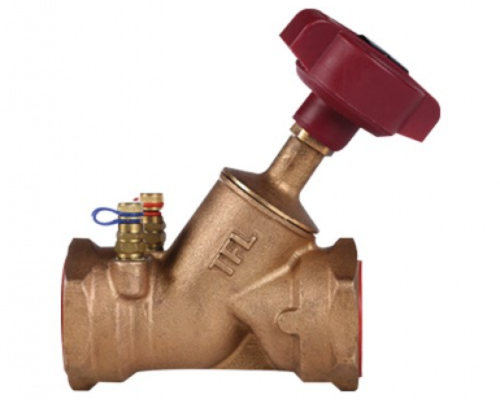
Inventure offers Bronze Fixed Orifice Double Regulating Valves designed to provide precise flow control and accurate flow measurement in HVAC hydronic systems. The valve integrates a square-edged fixed orifice and built-in test points, enabling reliable measurement based on Kv methodology with high accuracy.
Provides precise and accurate flow measurement and regulation
Integral square-edged orifice plate with built-in 3 mm test points
Double regulating valve with integrated fixed orifice design
Built-in measuring nipples (test points) for Kv-based flow measurement
High accuracy of ±5% across all settings for precise flow control
Valve opening adjustable using an Allen key
Female threaded ends for easy and secure installation
Screw-in bonnet design suitable for applications with infrequent maintenance
Can be quickly and easily installed using a press-fit tool
Provides stable flow control at all valve settings
Shut-off function available for servicing and system repair
Maximum working pressure: 25 bar
Operating temperature range: -10°C to 120°C
Shell test pressure: 37.5 bar
Seat test pressure: 27.5 bar
Operation: Hand wheel operated with micrometer indication
Valve type: Y-pattern globe valve
Disc characteristics: Equal percentage throttling disc
Conforms to BS 7350 for flow measurement and regulation
Suitable for installation on flow or return pipe
End connection: Threaded to BS EN 10226 (ISO 7-1)
Design standard: BS EN 12288:2010 PN20
Testing standard: BS EN 12266-2
Always install the valve in the direction of flow as indicated by the arrow on the valve body
To ensure accurate flow measurement, provide a straight pipe length upstream and downstream of the valve
Recommended straight pipe length should be based on pipe diameter (D) to minimize turbulence and measurement errors
15 mm – Dimension A 87 mm, Dimension B 110 mm, Kv 1.87, Weight 0.61 kg
20 mm – Dimension A 86 mm, Dimension B 111 mm, Kv 3.14, Weight 0.65 kg
25 mm – Dimension A 100 mm, Dimension B 132 mm, Kv 5.59, Weight 0.95 kg
32 mm – Dimension A 114 mm, Dimension B 133 mm, Kv 10.8, Weight 1.13 kg
40 mm – Dimension A 125 mm, Dimension B 148 mm, Kv 18.1, Weight 1.52 kg
50 mm – Dimension A 146 mm, Dimension B 149 mm, Kv 29.1, Weight 1.98 kg
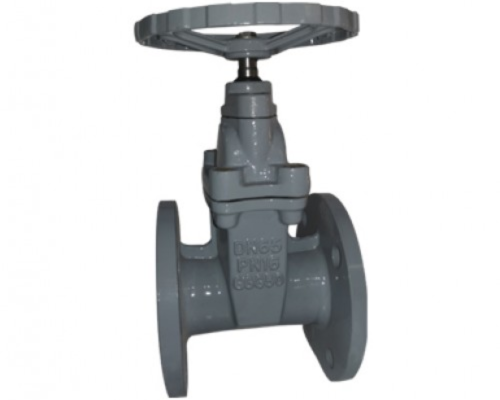
Inventure offers Ductile Iron Gate Valves designed for reliable shut-off and smooth flow control in water, HVAC, and industrial pipeline systems. The valve features a full and straight bore design, eliminating turbulence, minimizing head loss, and preventing the Venturi effect for efficient system performance.
Available with handwheel or round cap operation
Full and straight bore design to avoid turbulence and loss of head
Prevents Venturi effect for improved flow efficiency
Can be mounted in non-vertical positions
Non-rising stem design ideal for space-constrained installations
Solid wedge construction with bi-directional flow capability
Robust ductile iron body ensures long service life
Reliable shut-off with minimal maintenance
Maximum working pressure: 16 bar
Operating temperature range: -10°C to 120°C
Shell test pressure: 24 bar
Seat test pressure: 17.6 bar
Body material: Ductile iron with integral flanges
Operation: Handwheel operated / Round cap
Face-to-face dimension: DIN 3202 F4
End connection: PN16 flanged
Flanges: BS EN 1092-1
Design standard: DIN 3352 F4
Testing standard: BS EN 12266-2
65 mm – Face-to-face 190 mm, Overall height 380 mm, Flange OD 185 mm, Bolt circle 145 mm, Weight 13 kg
80 mm – Face-to-face 203 mm, Overall height 425 mm, Flange OD 200 mm, Bolt circle 160 mm, Weight 15 kg
100 mm – Face-to-face 229 mm, Overall height 470 mm, Flange OD 220 mm, Bolt circle 180 mm, Weight 19 kg
125 mm – Face-to-face 254 mm, Overall height 485 mm, Flange OD 250 mm, Bolt circle 210 mm, Weight 25 kg
150 mm – Face-to-face 267 mm, Overall height 595 mm, Flange OD 285 mm, Bolt circle 240 mm, Weight 33 kg
200 mm – Face-to-face 282 mm, Overall height 725 mm, Flange OD 340 mm, Bolt circle 295 mm, Weight 51 kg
250 mm – Face-to-face 330 mm, Overall height 835 mm, Flange OD 405 mm, Bolt circle 355 mm, Weight 78 kg
300 mm – Face-to-face 356 mm, Overall height 910 mm, Flange OD 460 mm, Bolt circle 410 mm, Weight 112 kg
350 mm – Face-to-face 381 mm, Overall height 1030 mm, Flange OD 520 mm, Bolt circle 470 mm, Weight 160 kg
400 mm – Face-to-face 406 mm, Overall height 1110 mm, Flange OD 580 mm, Bolt circle 525 mm, Weight 210 kg
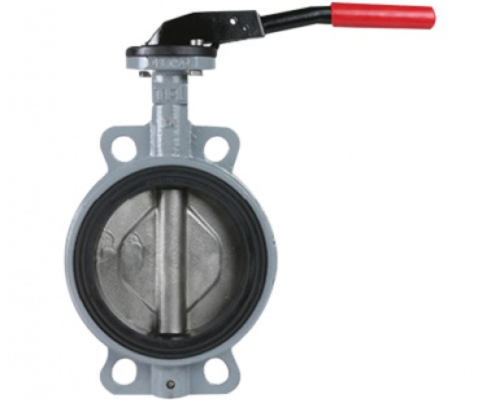
Inventure offers Ductile Iron Butterfly Valves – Wafer Type engineered for reliable isolation and modulating control in HVAC, water, and industrial pipeline systems. The valve features a long neck design for insulation, maintenance-free operation, and superior sealing performance for dependable service.
Long neck design suitable for insulation applications
Maintenance-free construction for long-term reliability
200-micron Fusion Bonded Epoxy powder coating providing excellent protection against corrosion, moisture, and humid environments
DN200 and larger sizes supplied with fully enclosed gear operator as standard
Unique triple sealing system for shaft sealing, eliminating fugitive emissions and secondary leakage
EPDM seat liner extended onto flange contact face, eliminating the need for separate flange gaskets during installation
Suitable for ON/OFF and modulating duty (torque details available on request)
EPDM fusion-bonded lined valve option available
Designed for smooth operation and dependable shut-off
Maximum working pressure: 16 bar
Operating temperature range: -10°C to 120°C
Shell test pressure: 24 bar
Seat test pressure: 17.6 bar
Self-lubricated pipe-lined bearings on both drive and non-drive shaft ends for minimum friction torque and safe operation
Bi-directional valve with tight shut-off sealing, capable of holding vacuum-rated pressure in either direction
Excellent adaptability for actuated operation with ISO 5211 standardized top flange mounting
Wafer pattern suitable for PN16 flanges
Flanges: BS EN 1092-1
Face-to-face dimension: BS EN 558:2008
Working standard: BS EN 593
Testing standard: BS EN 12266-2
65 mm – Face-to-face 46 mm, Disc Ø 140 mm, Overall height 220 mm, Weight 4 kg
80 mm – Face-to-face 46 mm, Disc Ø 147 mm, Overall height 260 mm, Weight 5 kg
100 mm – Face-to-face 52 mm, Disc Ø 172 mm, Overall height 260 mm, Weight 6.50 kg
125 mm – Face-to-face 56 mm, Disc Ø 187 mm, Overall height 315 mm, Weight 7 kg
150 mm – Face-to-face 56 mm, Disc Ø 201 mm, Overall height 315 mm, Weight 9 kg
200 mm – Face-to-face 60 mm, Disc Ø 229 mm, Overall height 315 mm, Weight 20.50 kg
250 mm – Face-to-face 68 mm, Disc Ø 269 mm, Overall height 215 mm, Weight 28.50 kg
300 mm – Face-to-face 78 mm, Disc Ø 298 mm, Overall height 215 mm, Weight 35 kg
350 mm – Face-to-face 78 mm, Disc Ø 328 mm, Overall height 302 mm, Weight 58 kg
400 mm – Face-to-face 102 mm, Disc Ø 358 mm, Overall height 302 mm, Weight 80 kg
450 mm – Face-to-face 114 mm, Disc Ø 403 mm, Overall height 302 mm, Weight 105 kg
500 mm – Face-to-face 127 mm, Disc Ø 345 mm, Overall height 430 mm, Weight 121.50 kg
600 mm – Face-to-face 154 mm, Disc Ø 510 mm, Overall height 430 mm, Weight 215.50 kg
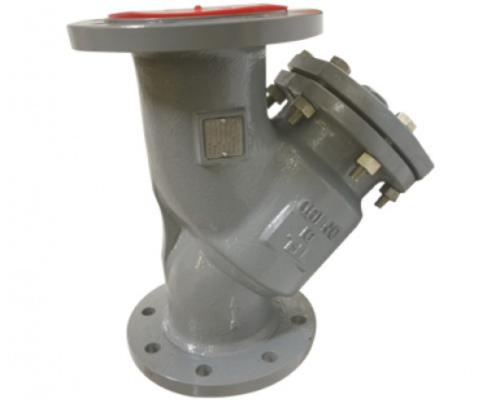
Inventure offers Ductile Iron Y-Strainers designed to protect pipelines, pumps, valves, and equipment from damage caused by foreign particles and debris. The strainer features a robust ductile iron body, streamlined internal contours, and a stainless steel perforated screen to ensure efficient filtration with minimal pressure loss.
Stainless steel perforated screen with robust strainer construction
Low flow resistance with 35% open area and above for efficient performance
Streamlined flow contours to minimize pressure drop
Compact design with short face-to-face dimensions
Internal and external 200-micron Fusion Bonded Epoxy powder coating for superior protection against corrosion, moisture, and humid environments
Asbestos-free non-stick gasket for safe and reliable sealing
Comprehensive flow characteristics for stable system operation
Designed to protect downstream equipment and reduce maintenance cost
Important note: These strainers must not be used at the end of a pipeline without fitting a blanking flange on the downstream side
Maximum working pressure: 16 bar
Operating temperature range: -10°C to 120°C
Shell test pressure: 24 bar
Strainer element: Stainless steel perforated screen
Screen material conforms to high material quality standards
Face-to-face dimension: BS EN 558:2008
End connection: Flanged to BS EN 1092-1
Testing standard: BS EN 12266-2
Sizes 65 mm to 100 mm supplied with 1/2” BSP threaded plug
Sizes 125 mm to 250 mm supplied with 3/4” BSP threaded plug
Size 300 mm supplied with 1” BSP threaded plug
Sizes 25 mm to 80 mm: Hole size 1.9 mm, Open area 35%, Screen thickness 26 gauge
Sizes 100 mm to 150 mm: Hole size 2.5 mm, Open area 40%, Screen thickness 24 gauge
Sizes 200 mm to 300 mm: Hole size 5.0 mm, Open area 48%, Screen thickness 22 gauge
65 mm – Overall length 290 mm, Flange OD 185 mm, Bolt circle 145 mm, Overall height 225 mm, Weight 14.50 kg
80 mm – Overall length 310 mm, Flange OD 200 mm, Bolt circle 160 mm, Overall height 260 mm, Weight 18.50 kg
100 mm – Overall length 350 mm, Flange OD 220 mm, Bolt circle 180 mm, Overall height 300 mm, Weight 24.50 kg
125 mm – Overall length 400 mm, Flange OD 250 mm, Bolt circle 210 mm, Overall height 350 mm, Weight 37.50 kg
150 mm – Overall length 450 mm, Flange OD 285 mm, Bolt circle 240 mm, Overall height 395 mm, Weight 54 kg
200 mm – Overall length 600 mm, Flange OD 340 mm, Bolt circle 295 mm, Overall height 460 mm, Weight 97.50 kg
250 mm – Overall length 730 mm, Flange OD 400 mm, Bolt circle 355 mm, Overall height 635 mm, Weight 156 kg
300 mm – Overall length 850 mm, Flange OD 455 mm, Bolt circle 410 mm, Overall height 500 mm, Weight 230 kg
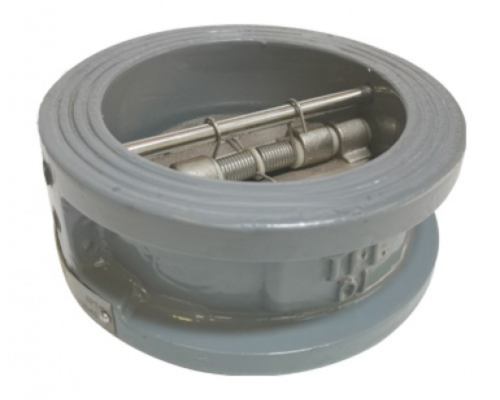
Inventure offers Ductile Iron Double Door Wafer Check Valves designed to permit flow in one direction and automatically prevent reverse flow in piping systems. The valve features a compact, lightweight design with short laying length, making it cost-effective, space-saving, and easy to install between flanges.
Features:
Allows flow in one direction and closes automatically on reverse flow
Compact, lightweight design with short laying length reduces installation space and cost
Dual lightweight discs with independent springs for quick-closing, non-slam operation
Reduced water hammer potential due to fast and controlled disc closure
Spring-loaded discs with low cracking pressure for energy-efficient operation
EPDM rubber seat ensures tight sealing and quiet, silent operation
Elastomer seat vulcanized to the body casting for extended sealing life
Internal and external 200-micron Fusion Bonded Epoxy powder coating for excellent corrosion protection
Reliable flow-activated operation with minimal leakage
Maximum working pressure: 16 bar
Operating temperature range: -10°C to 120°C
Shell test pressure: 24 bar
Seat test pressure: 17.6 bar
Valve type: Double door wafer pattern
Closure: Spring-assisted automatic closure
Seat material: EPDM elastomer
Suitable for installation in both horizontal and vertical pipelines
Designed for mounting between flanges to BS EN 1092-2
Face-to-face dimension: BS EN 558:2008
Testing standard: BS EN 12266-2
65 mm – Face-to-face 81 mm, Body width 109 mm, Disc depth 54 mm, Weight 2.80 kg
80 mm – Face-to-face 99 mm, Body width 130 mm, Disc depth 57 mm, Weight 3.20 kg
100 mm – Face-to-face 116 mm, Body width 160 mm, Disc depth 64 mm, Weight 4.60 kg
125 mm – Face-to-face 143 mm, Body width 194 mm, Disc depth 70 mm, Weight 7.40 kg
150 mm – Face-to-face 170 mm, Body width 214 mm, Disc depth 76 mm, Weight 8.50 kg
200 mm – Face-to-face 219 mm, Body width 270 mm, Disc depth 95 mm, Weight 16.10 kg
250 mm – Face-to-face 273 mm, Body width 328 mm, Disc depth 108 mm, Weight 25.50 kg
300 mm – Face-to-face 324 mm, Body width 378 mm, Disc depth 143 mm, Weight 39.50 kg
350 mm – Face-to-face 360 mm, Body width 447 mm, Disc depth 184 mm, Weight 72.50 kg
400 mm – Face-to-face 406 mm, Body width 511 mm, Disc depth 191 mm, Weight 94.50 kg
450 mm – Face-to-face 457 mm, Body width 546 mm, Disc depth 203 mm, Weight 120 kg
500 mm – Face-to-face 508 mm, Body width 603 mm, Disc depth 213 mm, Weight 150 kg
600 mm – Face-to-face 610 mm, Body width 714 mm, Disc depth 222 mm, Weight 210 kg
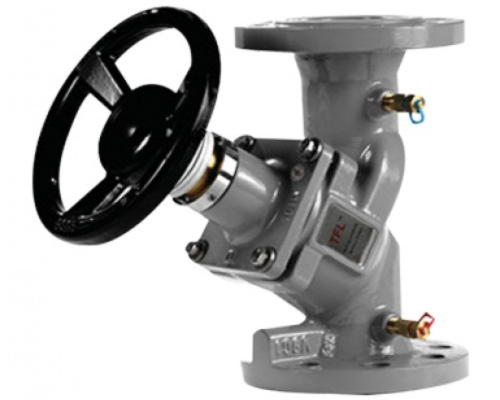
Double regulating feature allows the valve to be used for isolation and re-opened to its pre-set position to maintain the required flow rate.
Built-in measuring nipple (3 mm test point) for flow measurement based on Kv methodology.
Provides sufficient authority to regulate flow in circuits incorporating flow measuring devices.
Hand operated with micrometer style indicator.
Globe type Y-pattern with characterised throttled disc having equal percentage characteristics.
Suitable for mounting on flow or return pipelines.
Shut-off function provided for service and repair purposes.
INSTALLATION
Always install the valve with the arrow on the body in the same direction as the flow.
To avoid turbulence affecting measurement accuracy, it is recommended to provide straight pipe lengths upstream and downstream of the valve (D = pipe diameter).
PRESSURE / TEMPERATURE RATING
Pressure Rating: 16 bar
Temperature Range: –10 to 120 °C
TEST PRESSURES
Shell: 24 bar
Seat: 17.6 bar
SPECIFICATION
Design standard: BS 7350
Testing standard: BS EN 12266-2
DIMENSIONS & WEIGHTS
Available in sizes from 65 mm to 300 mm.
Weights range approximately from 14.3 kg to 256 kg depending on size.
Bigger sizes can be provided as per request.
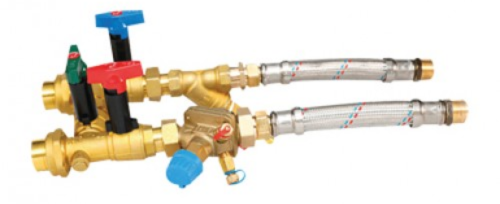
The unit allows regulating, flushing, and isolating operations in fan coil and close control applications.
Fully factory-assembled kit ensures fast installation and easy site connection.
Flexible connections allow the complete assembly to be adjusted on site for maximum convenience and accessibility within available space.
Minimum commissioning is required, only pre-setting the flow rate for the Pressure Independent Balancing & Control Valve (PIBCV) after system installation.
All valve positions can be set easily, offering excellent insulation capability and effective flushing through PIBCVs due to the hollow cone design.
Factory pressure tested at 30 bar and certified by a third party.
Optimizes variable flow systems to deliver maximum comfort with minimum energy consumption.
Compact and minimal design allows easy selection and installation in confined spaces.
Integrated strainer with drain valve enables easy draining without removing the strainer plug.
PIBCVs are BSRIA tested for performance at part-load conditions for all sizes.
Strainers are supplied with 20 mesh stainless steel screens.
PRESSURE / TEMPERATURE RATING
Pressure Rating: 20 bar
Temperature Range: –10 to 120 °C
TEST PRESSURES
Shell: 30 bar
Seat: 22 bar
SPECIFICATION
Application: Fan coil units and close control units.
Working medium: Water and water mixtures for closed cooling systems.
PIBCV differential pressure range: 16–600 kPa.
PIBCV control characteristics: Linear or Equal Percentage.
Different flexible lengths of 300 mm, 400 mm, 450 mm, and 500 mm available upon request.
Braided flexible connections available upon request.
Differential pressure controller fitted with EPDM diaphragm.
End connections: Threaded.
DIMENSIONS & WEIGHTS
Available in sizes from 65 mm to 125 mm.
Weights range approximately from 2.8 kg to 7.4 kg depending on size.
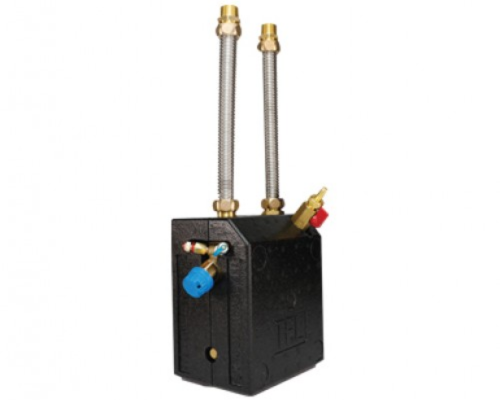
Designed to provide maximum protection against condensation by ensuring perfect compatibility with Flow Mate assemblies.
Easy to install with minimum workmanship, reducing installation time on site.
Manufactured specifically for FCU Link Flow Mate applications to ensure precise fitment.
Standardized dimensions and design make it suitable for all Flow Mate models.
Suitable for use in normal ambient temperature conditions.
Hermetically sealed to prevent moisture ingress.
Constrict-proof construction ensures long-term durability and shape retention.
Reverse model EPP insulation available for special installation requirements.
TEMPERATURE RATING
Operating temperature range: 25 to 80 °C
SPECIFICATION
Material density: 60 kg/m³.
Thermal conductivity: 0.037 W/m·K.
Tensile strength: 620 kPa.
Tensile elongation: 14%.
Compressive strength at 50% strain: 490 kPa.
DIMENSIONS & WEIGHTS
Available sizes include 20×15 mm, 20 mm, and 25 mm.
Standard length of 210 mm with width 178 mm and height 140 mm.
Weight ranges from approximately 0.25 kg to 0.45 kg depending on size.
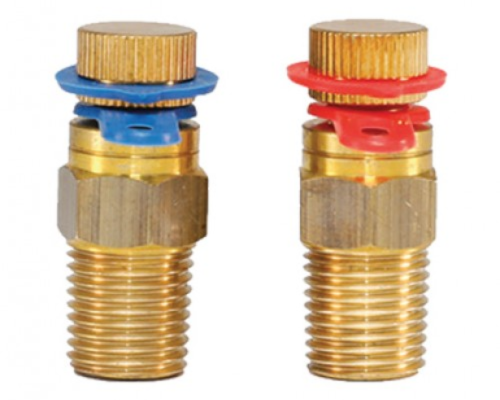
Equipped with a plastic cap retainer and DZR brass body.
EPDM diaphragm/core ensures reliable sealing.
Strategically placed test points allow access to live fluid systems for pressure and temperature measurement.
PRESSURE / TEMPERATURE RATING
Pressure Rating: 24 bar
Temperature Range: –10 to 120 °C
TEST PRESSURES
Shell: 24 bar
SPECIFICATION
Single-piece DZR brass body houses a uniquely designed elastomeric core, providing excellent sealing performance and wear resistance.
Double sealing on the cap is achieved through a precision metal-to-metal joint backed by a resilient O-ring, allowing convenient and positive finger tightening.
DIMENSIONS & WEIGHTS
Available in sizes 1/4”–3/8” and 1/2”.
Weights range from approximately 0.05 kg to 0.09 kg depending on size.
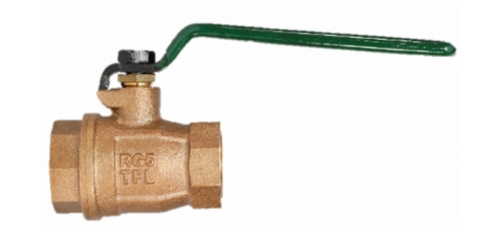
Light, compact, and easy to install and operate.
Quarter-turn rotary motion ball to start or stop the flow.
Fast-action shut-off with a simple quarter turn to open or close.
Ensures perfect tight shut-off and improved leak protection.
Resistant to damage during installation.
Efficient stop valve suitable for fluid flow in either direction.
Straight-through design offers minimal resistance to flow, reducing pressure drop.
Robust construction for long life with high-quality bronze body.
Full bore design facilitates optimal flow rates with minimum turbulence.
Lead content <2% ensures suitability for potable water applications.
PRESSURE / TEMPERATURE RATING
Pressure Rating: 25 bar
Temperature Range: –10 to 140 °C
TEST PRESSURES
Shell: 37.5 bar
Seat: 27.5 bar
SPECIFICATION
Ball made of stainless steel with PTFE seats and stem seal.
Lever made of mild steel with plastic coating; lever operated.
Design standard: BS EN 12288.
End connection: Threaded to BS EN 10226-2 (ISO 7-1).
Testing standard: BS EN 12266-2.
DIMENSIONS & WEIGHTS
Available in sizes 15 mm to 50 mm.
Weights range approximately from 0.20 kg (15 mm) to 2.47 kg (50 mm).
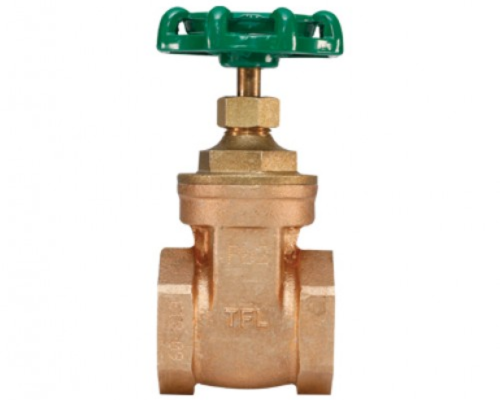
Non-rising stem design, ideal when shut-off is required and space is limited.
Solid wedge disc with integral seat and bi-directional flow.
Female threaded ends allow easy installation.
Screw-in bonnet enables service where frequent maintenance is required.
Lead content <2% ensures suitability for potable water applications.
PRESSURE / TEMPERATURE RATING
Pressure Rating: 20 bar
Temperature Range: –10 to 120 °C
TEST PRESSURES
Shell: 30 bar
Seat: 22 bar
SPECIFICATION
Solid wedge disc with non-rising stem and screw-in bonnet.
Single-piece wedge, hand wheel operated.
End connection: Taper threaded to BS EN 10226 (ISO 7-1).
Rating: PN20
Design standard: BS EN 12288
Testing standard: BS EN 12266-2
DIMENSIONS & WEIGHTS
Available in sizes 15 mm to 50 mm.
Weights range approximately from 0.27 kg (15 mm) to 1.38 kg (50 mm).
Edgetech offers Bronze Gate Valves with Rising Stem engineered for dependable shut-off applications where visual valve position indication and extended neck insulation are required. The rising stem design clearly indicates open and close positions, making it ideal for HVAC and industrial piping systems.
Rising stem design provides clear visual indication of valve position
Extended neck suitable for perfect insulation applications
Solid wedge disc with integral seats for tight and reliable shut-off
Bi-directional flow capability
Female threaded ends for easy and secure installation
Screw-in bonnet design, suitable for applications with infrequent maintenance
Single piece solid wedge for enhanced strength and durability
Hand wheel operated for smooth and controlled operation
Robust construction ensures long service life with minimal maintenance
Maximum working pressure: 20 bar
Operating temperature range: -10°C to 120°C
Shell test pressure: 30 bar
Seat test pressure: 22 bar
Disc type: Solid wedge disc
Stem type: Rising stem
Bonnet: Screw-in bonnet
Operation: Hand wheel operated
End connection: Threaded to ANSI B1.20.1
Pressure rating: Class 150
Design standard: MSS SP-80
Testing standard: API 598
15 mm (1/2” BSP) – Face-to-face length 60 mm, Overall height 140 mm, Handwheel diameter 58 mm, Weight 0.35 kg
20 mm (3/4” BSP) – Face-to-face length 60 mm, Overall height 140 mm, Handwheel diameter 58 mm, Weight 0.42 kg
25 mm (1” BSP) – Face-to-face length 70 mm, Overall height 160 mm, Handwheel diameter 67 mm, Weight 0.54 kg
32 mm (1-1/4” BSP) – Face-to-face length 80 mm, Overall height 190 mm, Handwheel diameter 73 mm, Weight 0.95 kg
40 mm (1-1/2” BSP) – Face-to-face length 90 mm, Overall height 190 mm, Handwheel diameter 85 mm, Weight 1.00 kg
50 mm (2” BSP) – Face-to-face length 100 mm, Overall height 230 mm, Handwheel diameter 110 mm, Weight 1.50 kg
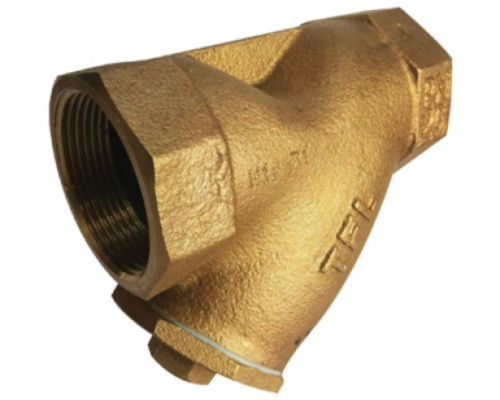
Perforated stainless steel screen with robust construction for long-lasting performance.
Female threaded ends allow easy installation.
Low flow resistance with 50% free-flow area ensures minimal pressure drop.
Streamlined flow contours optimize fluid passage.
Compact design with short face-to-face length.
Asbestos-free non-stick gasket enhances durability.
Comprehensive flow characteristics reduce maintenance costs and minimize downtime by protecting circuits from damage by foreign metals or particles.
Lead content ≤2% ensures suitability for potable water applications.
PRESSURE / TEMPERATURE RATING
Pressure Rating: 20 bar
Temperature Range: –10 to 120 °C
TEST PRESSURES
Shell: 30 bar
SPECIFICATION
Strainers fitted with stainless steel perforated element, mesh size 0.75 mm.
Screens conform to high standards of material quality.
End connection: Threaded to BS EN 10226-2 (ISO 7-1).
Testing standard: BS EN 12266-2.
DIMENSIONS & WEIGHTS
Available in sizes 15 mm to 50 mm.
Weights range approximately from 0.22 kg (15 mm) to 1.56 kg (50 mm).
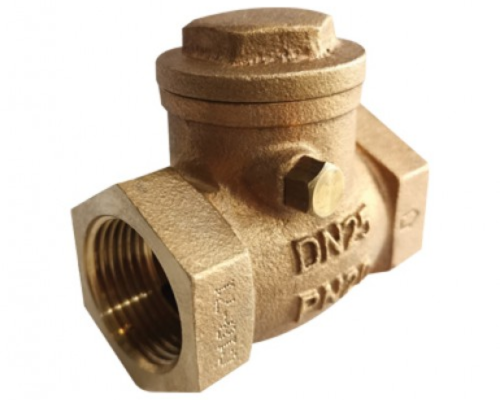
Check valve permits flow in one direction and prevents reverse flow.
Robust, high-quality bronze body ensures long-term durability.
Metal-to-metal seat enhances sealing performance.
Automatic operation depends on line pressure and flow velocity to open and close the valve.
Screw-in bonnet allows easy disc regrinding during maintenance.
Suitable for mounting in horizontal or vertical pipelines (follow the arrow upwards).
Lead content ≤2% ensures suitability for potable water applications.
PRESSURE / TEMPERATURE RATING
Pressure Rating: 20 bar
Temperature Range: –10 to 100 °C
TEST PRESSURES
Shell: 30 bar
Seat: 22 bar
SPECIFICATION
Bronze body with swing pattern.
Metal-to-metal seat with threaded cap to BS EN 10226-2 (ISO 7-1).
Design standard: BS 5154:1991
Testing standard: BS EN 12266-2
DIMENSIONS & WEIGHTS
Available in sizes 15 mm to 50 mm.
Weights range approximately from 0.34 kg (15 mm) to 1.50 kg (50 mm).
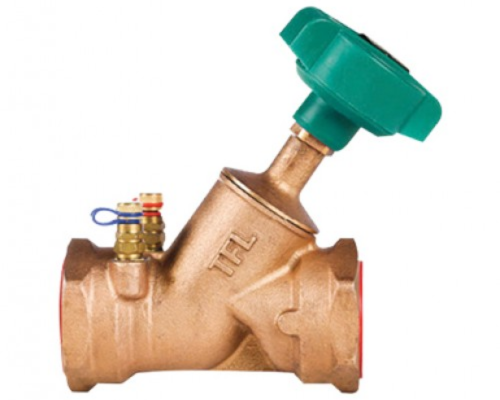
Provides precise and accurate flow measurements.
Integral square-edged orifice plate with 3 mm test points allows valve opening to be set using an Allen key.
Built-in measuring nipples enable flow measurement based on Kv methodology.
Double regulating wall with integral fixed orifice ensures accuracy ±5% on all settings for precise flow control.
Female threaded ends allow easy installation.
Screw-in bonnet facilitates service where frequent maintenance is required.
Quick installation using a press-fit tool.
Provides flow control at all settings.
Lead content ≤2% ensures suitability for potable water applications.
INSTALLATION
Always install the valve with the arrow on the body in the direction of flow.
A straight length of pipe upstream and downstream is recommended to avoid turbulence and ensure measurement accuracy.
PRESSURE / TEMPERATURE RATING
Pressure Rating: 25 bar
Temperature Range: –10 to 130 °C
TEST PRESSURES
Shell: 37.5 bar
Seat: 27.5 bar
SPECIFICATION
Hand wheel operated with micrometer indication.
Y-pattern globe type design.
Conforms to BS 7350 for flow measurement and regulation.
Y-pattern globe features throttling disc with equal percentage characteristics.
Can be mounted on flow or return pipe.
Shut-off function for service and repair.
End connection threaded to BS EN 10226 (ISO 7-1).
Design standard: BS EN 12288:2010 PN20
Testing standard: BS EN 12266-2
DIMENSIONS & WEIGHTS
Available in sizes 15 mm to 50 mm.
Weights range approximately from 0.34 kg (15 mm) to 1.50 kg (50 mm).
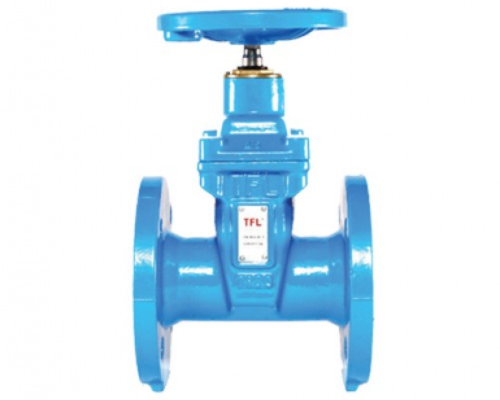
Gate valves available with hand wheel or square cap for convenient operation.
Full and straight bore design avoids turbulence, loss of head, and Venturi effect.
Flanges can be supplied undrilled on request.
Can be mounted in non-vertical positions.
Non-rising stem is useful when shut-off is required and for space-saving applications.
Solid wedge and bi-directional design ensure reliable shut-off.
Bodies feature epoxy coating, providing excellent corrosion and wear resistance, chemical resistance, weather ability, abrasion resistance, and impact resistance.
PRESSURE / TEMPERATURE RATING
Pressure Rating: 16 bar
Temperature Range: –10 to +85 °C
TEST PRESSURES
Shell: 24 bar
Seat: 17.6 bar
SPECIFICATION
Ductile iron body with integral flanges.
Inside screw pattern with non-rising stem.
Hand wheel operated.
End connection: EN 1092-2, PN16.
Design: BS 5163
Testing: EN 12266-1
Face-to-face dimension: BS EN 558-1 Series 3
DIMENSIONS & WEIGHTS
Available in sizes 65 mm to 200 mm.
Weights range from approximately 13 kg (65 mm) to 51 kg (200 mm).
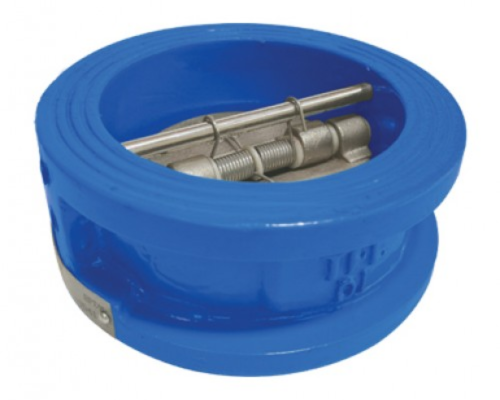
Permits flow in one direction and automatically closes if flow reverses.
Low weight and short laying length save initial cost, require less space, and allow easier installation.
Independent springs provide quick-closing, non-slam shut-off for reduced water hammer potential.
Lightweight, spring-loaded discs feature low cracking pressure for energy-efficient operation.
200-micron fusion bonded epoxy powder coating on internal and external surfaces ensures protection against corrosive chemicals, moisture, and humid air.
Dual lightweight discs, responsive independent springs, and a durable resilient seat provide reliable flow-activated operation with tight sealing and reduced water hammer.
EPDM rubber seat facilitates quiet, silent operation and improves disc seating without leakage.
PRESSURE / TEMPERATURE RATING
Pressure Rating: 16 bar
Temperature Range: –10 to 120 °C
TEST PRESSURES
Shell: 24 bar
Seat: 17.6 bar
SPECIFICATION
Double-door wafer pattern with spring-assisted closure.
Elastomer seat vulcanized to the body casting ensures extended seal life.
Suitable for mounting in horizontal and vertical pipelines.
Ideal for fitting between flanges to BS EN 1092-2.
Face-to-face dimension: BS EN 558.
Testing standard: BS EN 12266-2
DIMENSIONS & WEIGHTS
Available in sizes 65 mm to 600 mm.
Weights range from approximately 2.80 kg (65 mm) to 210 kg (600 mm).
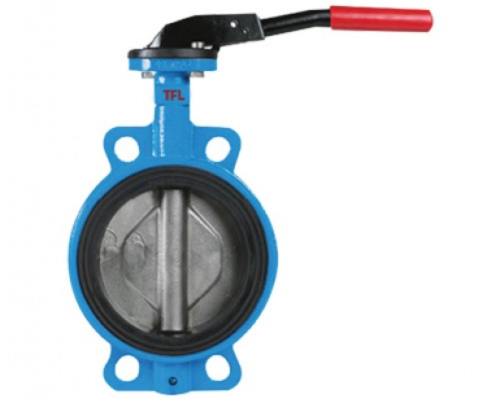
Long neck design for insulation and maintenance-free operation.
200-micron fusion bonded epoxy powder coating provides excellent barrier against corrosive chemicals, moisture, and humid air.
Valves DN200 and larger are supplied as standard with fully enclosed gear operators.
Unique triple sealing system for shaft sealing eliminates any fugitive emissions or secondary leakage.
EPDM seat liner extends onto the flange contact face, removing the need for separate flange gaskets during installation.
Suitable for ON/OFF and modulating duty; torque details available on request.
EPDM fusion-bonded lined valves are available.
PRESSURE / TEMPERATURE RATING
Pressure Rating: 16 bar
Temperature Range: –10 to 120 °C
TEST PRESSURES
Shell: 24 bar
Seat: 17.6 bar
SPECIFICATION
Self-lubricated pipe-lined bearings for both drive and non-drive end shafts ensure minimum friction torque and safe operation.
Bi-directional valve with tight shut-off sealing capability to hold vacuum-rated pressure in either direction.
Excellent adaptability for actuated operation through standardized ISO 5211 top flange mounting for actuator fitment.
Wafer pattern suitable for PN16 flanges.
Flanged to BS EN 1092-1.
Face-to-face dimension: BS EN 558:2008.
Working standard: BS EN 593.
Testing standard: BS EN 12266-2.
DIMENSIONS & WEIGHTS
Available in sizes 65 mm to 600 mm.
Weights range from approximately 4 kg (65 mm) to 215.5 kg (600 mm).
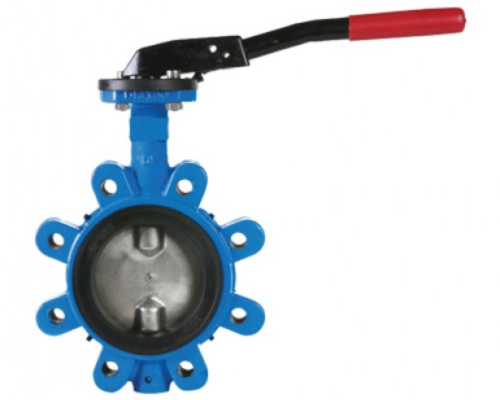
Long neck design for insulation and maintenance-free operation.
200-micron fusion bonded epoxy powder coating provides excellent barrier against corrosive chemicals, moisture, and humid air.
Valves DN200 and larger are supplied as standard with fully enclosed gear operators.
Unique triple sealing system for shaft sealing eliminates any fugitive emissions or secondary leakage.
EPDM seat liner extends onto the flange contact face, eliminating the need for separate flange gaskets during installation.
Suitable for ON/OFF and modulating duty; torque details available on request.
EPDM fusion-bonded lined valves are available.
PRESSURE / TEMPERATURE RATING
Pressure Rating: 16 bar
Temperature Range: –10 to 120 °C
TEST PRESSURES
Shell: 24 bar
Seat: 17.6 bar
SPECIFICATION
Self-lubricated pipe-lined bearings for both drive and non-drive end shafts ensure minimum friction torque and safe operation.
Bi-directional valve with tight shut-off sealing capability to hold vacuum-rated pressure in either direction.
Excellent adaptability for actuated operation through standardized ISO 5211 top flange mounting for actuator fitment.
Lugged pattern suitable for PN25 flanges.
Flanged to BS EN 1092-1.
Face-to-face dimension: BS EN 558:2008.
Working standard: BS EN 593.
Testing standard: BS EN 12266-2.
DIMENSIONS & WEIGHTS
Available in sizes 65 mm to 400 mm.
Weights range from approximately 7 kg (65 mm) to 106 kg (400 mm).
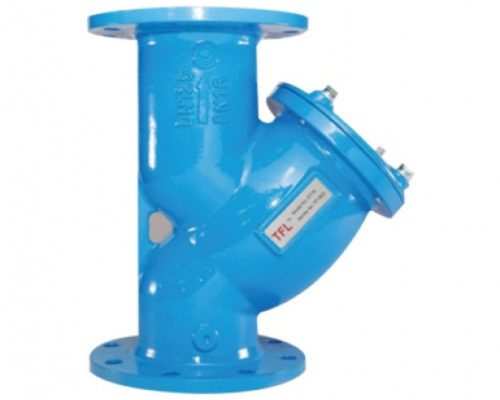
Perforated stainless steel screen with robust design.
Low flow resistance and offers 35% open area.
Streamlined flow contours minimize pressure drop.
Compact design with short face-to-face length.
Asbestos-free non-stick gasket.
Strainers must not be used in end-of-line applications without a blanking flange fitted on the downstream end.
Bodies are epoxy-coated, providing excellent corrosion and wear resistance. Epoxy coating offers chemical resistance, weatherability, abrasion resistance, and impact resistance.
PRESSURE / TEMPERATURE RATING
Pressure Rating: 16 bar
Temperature Range: –10 to 85 °C
TEST PRESSURES
Shell: 24 bar
Seat: 17.6 bar
SPECIFICATION
Strainers fitted with stainless steel perforated element.
Epoxy powder-coated for durability.
End connection: BS EN 1092-2 PN16.
Rating: PN16
Face-to-face: BS EN 558-1
Testing standard: EN 12266-1
DIMENSIONS & WEIGHTS
Available in sizes 65 mm to 200 mm.
Mesh diameters from 1.5 mm to 2.5 mm.
Weights range from 14.5 kg (65 mm) to 97.5 kg (200 mm).
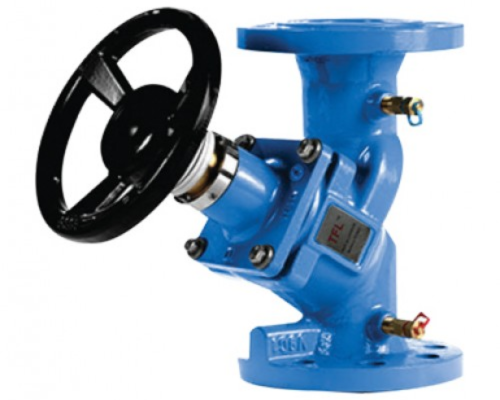
Double regulating feature allows the valve to be used for isolation and then re-opened to its pre-set position to maintain the required flow rate.
Built-in measuring nipple (test point 3 mm) allows flow measurement based on Kv methodology.
Provides sufficient authority to regulate flow in circuits incorporating a flow measuring device.
INSTALLATION
Always install the valve with the arrow on the body in the direction of flow.
To avoid turbulence, which can affect measuring accuracy, maintain a straight length of pipe upstream and downstream from the valve.
PRESSURE / TEMPERATURE RATING
Pressure Rating: 16 bar
Temperature Range: –10 to 120 °C
TEST PRESSURES
Shell: 24 bar
Seat: 17.6 bar
SPECIFICATION
Hand-operated with micrometer-style indicator.
Globe type Y-pattern with characterized throttling disc and equal percentage flow characteristics.
Conforms to BS 7350 for flow measurement and regulation.
Suitable for mounting on flow or return pipe.
Design Standard: BS 7350
Testing Standard: BS EN 12266-2
DIMENSIONS & WEIGHTS
Sizes available from 65 mm to 300 mm.
Weights range from 14.3 kg (65 mm) to 256 kg (300 mm).
Larger sizes available upon request.
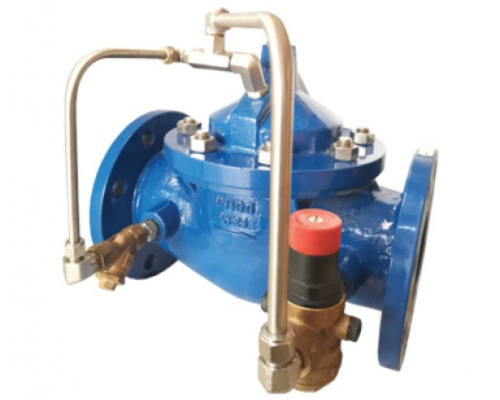
Low weight and short laying length save initial cost, require less space, and make installation easier.
200 Micron Fusion Bonded Epoxy Powder coated internally and externally to provide a barrier against corrosive chemicals, moisture, and humid air.
EPDM rubber diaphragm facilitates quiet and silent operation.
Stable performance, safe and reliable.
Simple operation with convenient adjustment.
Precise pressure reducing capability.
Long service life.
APPLICATIONS
Water treatment plants
Water source projects
Building services
Municipal facilities
Power and utility industries
INSTALLATION INSTRUCTIONS
Ensure the valve’s rated parameters match the system requirements.
Verify that the valve’s rated flow satisfies actual demand.
Installation should be performed by trained or experienced personnel.
Flush the supply pipe network to remove sand, gravel, and other debris before installation.
Observe correct flow direction from inlet to outlet and provide sufficient maintenance space around the valve.
For sizes below DN150, the main valve can be installed horizontally or vertically (horizontal recommended). Sizes above DN150 must be installed horizontally.
After commissioning, lock the pilot valve and needle-type flow valve with the locknut.
Regularly check and clean the filter to ensure debris-free operation.
PRESSURE / TEMPERATURE RATING
Pressure Rating: 25 bar
Temperature: –10 to 80 °C
PRESSURE REGULATING RANGE
Range: 0.7 – 9 bar
Factory Setting: 3.5 bar
TEST PRESSURE
Shell: 37.5 bar
Seat: 27.5 bar
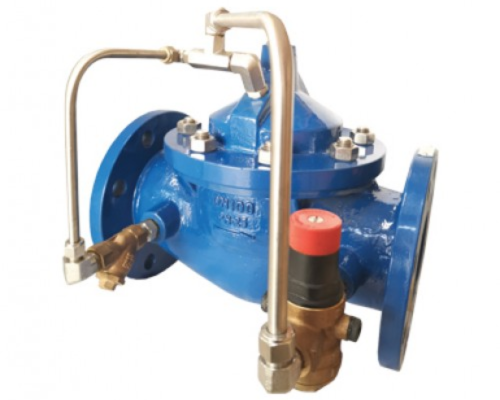
Low weight and short laying length reduce initial cost, require less space, and simplify installation.
200 Micron Fusion Bonded Epoxy Powder coating on internal and external surfaces ensures protection against corrosive chemicals, moisture, and humid air.
EPDM rubber diaphragm facilitates quiet and silent operation.
Stable performance with safe and reliable operation.
Simple to operate with convenient adjustment.
Precise pressure reducing capability.
Long service life.
APPLICATIONS
Water treatment plants
Water source projects
Building services
Municipal facilities
Power and utility systems
INSTALLATION INSTRUCTIONS
Ensure the valve’s rated parameters match the system equipment and that the rated flow meets actual demand.
Installation should be performed by trained or experienced personnel.
Flush the supply pipe network before installation to remove sand, gravel, and other debris.
Follow correct flow direction from inlet to outlet and provide sufficient maintenance space around the valve.
For sizes below DN150, the valve may be installed horizontally or vertically (horizontal preferred). Sizes above DN150 must be installed horizontally.
After commissioning, lock the pilot valve and needle-type flow valve with the locknut.
Regularly check and clean the filter to maintain optimal operation.
PRESSURE / TEMPERATURE RATING
Pressure Rating: 25 bar
Temperature: –10 to 80 °C
PRESSURE REGULATING RANGE
Range: 0.7 – 9 bar
Factory Setting: 3.5 bar
TEST PRESSURE
Shell: 37.5 bar
Seat: 27.5 bar
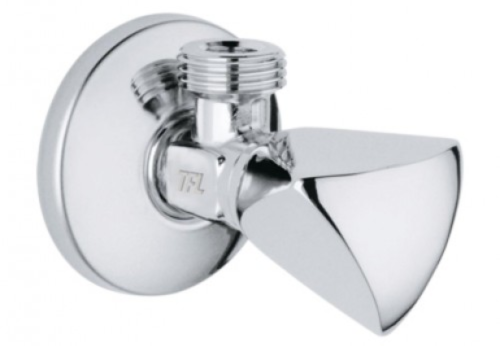
Durable chrome-plated angle valve with smooth operation and reliable sealing. Designed for easy installation and maintenance.
PRESSURE / TEMPERATURE RATING
Pressure Rating: 10 bar
Temperature: 0 to 100 °C
TEST PRESSURES
Shell: 15 bar
Seat: 11.5 bar
SPECIFICATION
Clean all oil, grease, burrs, and sharp edges before assembly.
Apply sealing glue on the male threads before connecting the valve.
Handle operates freely for easy ON/OFF control.
After assembly, test with water at a pressure of not less than 10 bar to check for leakage.
CONNECTIONS
Threaded to ISO 228, BSP, NBT
DIMENSIONS & WEIGHTS
DN: 3/8″ – 1/2″
DN: 1/2″ – 1/2″
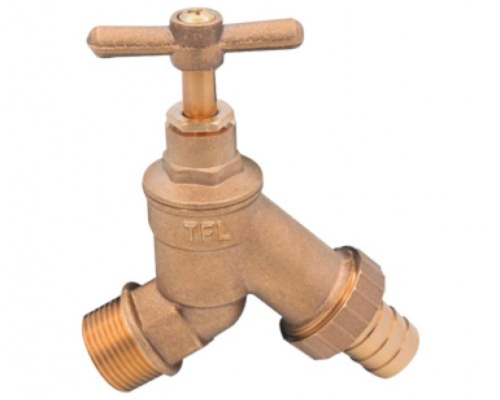
Bib tap with hose union, screw-down T handle, and robust DZR brass/bronze body. Suitable for external water supply, drain-off tap, or standpipe applications. Designed for direct wall installation with hose tail outlet. Lockshield type with spare key protects against unauthorized operation.
PRESSURE / TEMPERATURE RATING
Working Pressure: 20 bar max
Working Temperature: 95 °C max
TEST PRESSURES
Shell: 24 bar
Seat: 17.6 bar
SPECIFICATION
Inlet Connection: 1/2″, 3/4″, or 1″ BSP male
Outlet Connection: Hose tail
Screw-down T handle operation
Designed for wall socket installation
DIMENSIONS
Type: EBM-42-A | A: 105 mm | B: 72 mm | C: 1/2″ BSP
Type: EBH-42-B | A: 140 mm | B: 110 mm | C: 3/4″ BSP
Type: EBH-42-C | A: 140 mm | B: 110 mm | C: 1″ BSP